Nepali Congress Emerges Victorious in National Assembly Elections
The Nepali Congress has solidified its position as the dominant political force in Nepal's Upper House following Sunday's crucial National Assembly elections. The party secured an impressive nine seats in the polls, establishing itself as the largest party in the legislative body.
Election Results and Party Positions
According to official results released by the Election Commission, the CPN-UML followed closely behind with eight seats, while the Lokatantrik Samajwadi Party managed to secure one seat. These elections were particularly significant as they filled vacancies created by the regular rotation of National Assembly members.
The voting process unfolded remarkably smoothly across the country, with polling stations operating from 9 am to 3 pm local time. Election Commission spokesperson Narayan Prasad Bhattarai reported an exceptionally high voter turnout of 95.68 percent, indicating strong participation from eligible voters.

Strategic Pre-Poll Understanding
These elections followed a strategic pre-poll understanding between the Nepali Congress and CPN-UML, which helped streamline the electoral process. The polls were conducted for 17 of the 18 vacant seats, as one candidate had already been elected uncontested prior to voting day.
With these latest electoral gains, the Nepali Congress now commands 25 seats in the 59-member National Assembly, significantly strengthening its legislative influence. The Nepali Communist Party maintains its position as the second-largest party with 18 seats, while the CPN-UML has increased its representation to 11 seats following Sunday's electoral success.
Structure of Nepal's National Assembly
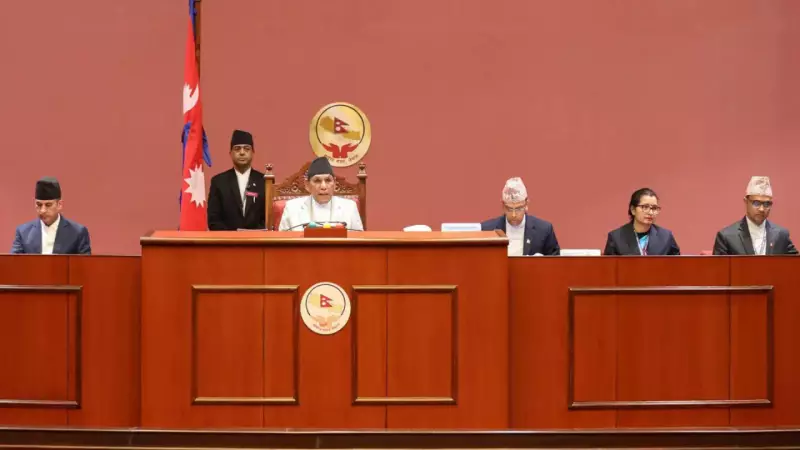
The National Assembly operates on a unique rotational system where one-third of seats become vacant every two years. Of the total 59 seats in the Upper House, 56 are elected positions with eight representatives coming from each of Nepal's seven provinces. The remaining three members are nominated directly by the President, adding another layer to the legislative composition.
The electoral college for National Assembly elections comprises a diverse group of representatives including members of provincial assemblies, mayors, deputy mayors, and chairpersons and vice-chairpersons of rural municipalities. Each voter's ballot carries different weightage depending on their position and representation, creating a nuanced electoral system.
This electoral exercise demonstrates the continued evolution of Nepal's democratic processes and the shifting political landscape within the country's parliamentary framework. The high voter participation rate suggests strong engagement from local representatives in shaping the national legislative agenda.