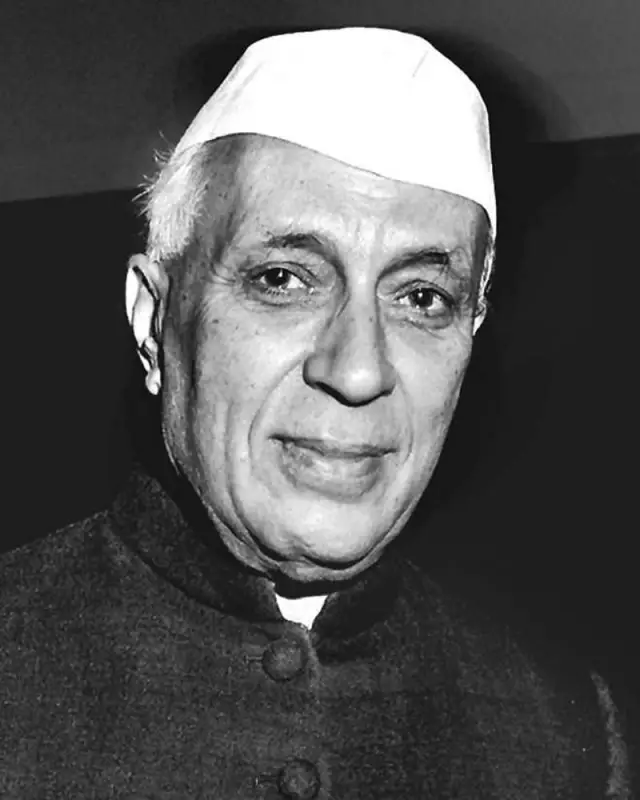
The controversy surrounding India's national song Vande Mataram has deep historical roots that trace back to the country's independence movement. Recent debates have brought renewed attention to how India's first Prime Minister Jawaharlal Nehru handled this sensitive issue in 1937.
The Historical Context of the Vande Mataram Dispute
In 1937, the Indian National Congress found itself grappling with a significant controversy regarding Vande Mataram. The song, originally composed by Bankim Chandra Chatterjee in his 1882 novel Anand Math, had become a powerful symbol of Indian nationalism during the freedom struggle. However, certain sections of the song contained references that some Muslim community members found incompatible with their religious beliefs.
The Congress Working Committee, under Nehru's leadership, faced the challenging task of balancing national sentiment with religious inclusion. This was particularly crucial as the party sought to maintain unity among India's diverse population in the fight against British colonial rule.

Nehru's Compromise Solution
Historical records reveal that Nehru proposed a practical solution to this delicate situation. The Congress Working Committee decided that only the first two stanzas of Vande Mataram would be recognized as the national song. These initial verses focused on patriotic themes without containing religious references that could cause offense.
This decision reflected Nehru's approach to nation-building—one that respected India's cultural heritage while being mindful of its religious diversity. The compromise allowed Vande Mataram to maintain its status as an important national symbol while addressing the concerns of minority communities.
Nehru's position demonstrated his understanding that building a unified independent India required accommodating different religious perspectives. His solution acknowledged the song's historical significance in the freedom movement while ensuring it didn't become a source of division.
Enduring Legacy and Contemporary Relevance
The 1937 decision continues to influence how Vande Mataram is perceived and performed in modern India. The song maintains a special status in the country's national consciousness, though it's technically not the national anthem—that distinction belongs to Jana Gana Mana.
Nehru's handling of the Vande Mataram controversy offers valuable insights into the complex challenges faced during India's formative years as an independent nation. It showcases the delicate balance required in a diverse democracy between honoring cultural symbols and ensuring inclusive representation.
Today, as debates about national symbols and religious inclusion continue, the historical context of Nehru's decision provides important perspective on how India's founding leaders navigated similar challenges during the nation-building process.