Muslims Bear the Brunt of Civilian Losses in Jammu and Kashmir Conflict
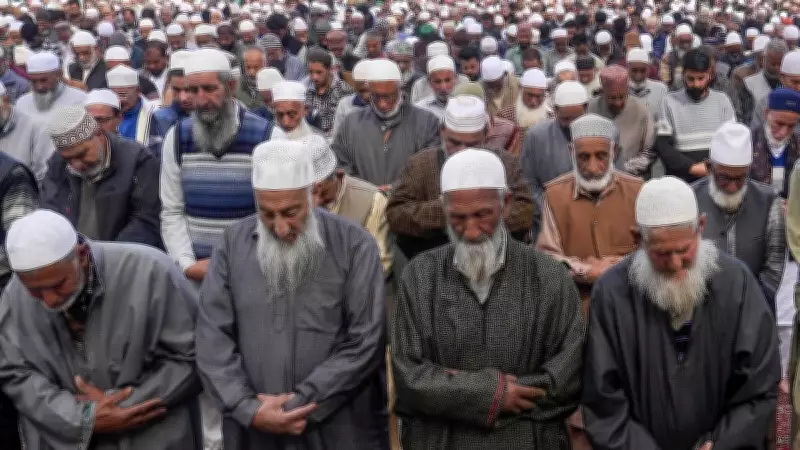
Over the past 36 years, the ongoing conflict in Jammu and Kashmir has resulted in significant civilian casualties, with security officials and researchers highlighting a stark reality. According to recent analyses, an overwhelming majority of civilians killed in militancy-related violence in the region are Muslims. This demographic group constitutes approximately 68% of Jammu and Kashmir's total population, underscoring the disproportionate impact of the conflict on this community.
Demographic Disparities in Conflict Casualties
The data reveals that Muslims, who form the bulk of the population in Jammu and Kashmir, have been the primary victims of civilian deaths linked to militancy. Security personnel and independent researchers have consistently pointed out that the violence has taken a heavy toll on this group, with incidents ranging from crossfire to targeted attacks. The findings emphasize the human cost of the prolonged strife, which has persisted for over three decades, affecting daily life and stability in the region.
Implications for Security and Community Relations
This trend raises critical questions about the nature of the conflict and its effects on local communities. The high rate of Muslim civilian casualties suggests that the violence is not only a security challenge but also a humanitarian issue, with deep social and political ramifications. Experts argue that addressing these casualties is essential for fostering peace and reconciliation in Jammu and Kashmir, as it highlights the need for targeted measures to protect vulnerable populations and reduce violence.

As the conflict continues, the focus on civilian safety remains paramount, with calls for enhanced security protocols and community engagement initiatives. The persistence of such casualties over 36 years underscores the urgency of finding sustainable solutions to mitigate the impact on all residents, particularly the Muslim majority who have borne the greatest burden.