President Murmu Addresses Mamata Banerjee as 'Younger Sister' in Public Remarks
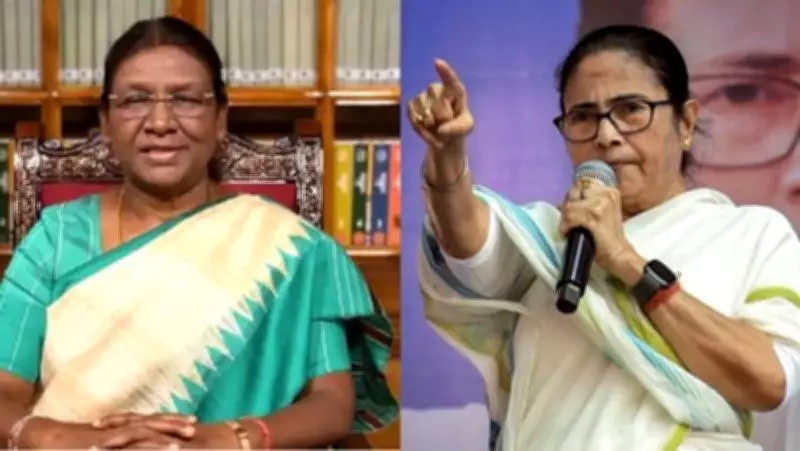
In a notable development that underscores the intricate political landscape of India, President Droupadi Murmu has publicly referred to West Bengal Chief Minister Mamata Banerjee as her "younger sister." This address occurred during a formal interaction where President Murmu sought detailed explanations regarding the sudden and unexpected relocation of a significant tribal community meeting originally scheduled to take place in North Bengal.
Seeking Clarification on Tribal Meet Venue Shift
President Murmu emphasized the critical importance of transparency and accountability in governance matters, particularly those affecting tribal populations. She formally requested the West Bengal state government to provide comprehensive and clear reasons for the decision to change the venue of the tribal meet. The initial plans had designated a location in North Bengal, but authorities shifted it without prior public consultation or explanation, raising concerns among local communities and political observers.
The tribal meet is a pivotal event aimed at addressing the socio-economic challenges and developmental needs of indigenous groups in the region. Any alteration to its arrangements can significantly impact participation and outcomes, making this issue a matter of public interest and scrutiny.

Political Implications and Regional Dynamics
This incident highlights the ongoing political tensions and collaborative efforts between the central government, represented by President Murmu, and the state administration under Mamata Banerjee. By using familial terminology like "younger sister," President Murmu may be signaling a desire for cooperative dialogue, yet her firm inquiry into the venue shift reflects a commitment to oversight and procedural integrity.
Analysts suggest that such interactions could influence future policy decisions and intergovernmental relations, especially concerning tribal welfare and regional development initiatives.
- The venue change has sparked debates about administrative efficiency and community engagement.
- Stakeholders are calling for greater involvement of tribal leaders in planning such events.
- This scenario underscores the broader challenges in balancing state autonomy with central oversight in India's federal structure.
Broader Context and Public Response
Public reaction to President Murmu's remarks has been mixed, with some praising her direct approach to governance issues, while others view it as an intervention in state affairs. The tribal communities in North Bengal have expressed concerns that the venue shift might limit their access to the meet, potentially marginalizing their voices in critical discussions.
As this situation unfolds, it remains to be seen how the West Bengal government will respond to the President's query and what steps will be taken to ensure the tribal meet proceeds effectively, regardless of location changes.