MP Dharamvira Gandhi Slams Government Over US-India Trade Deal and MGNREGA Changes
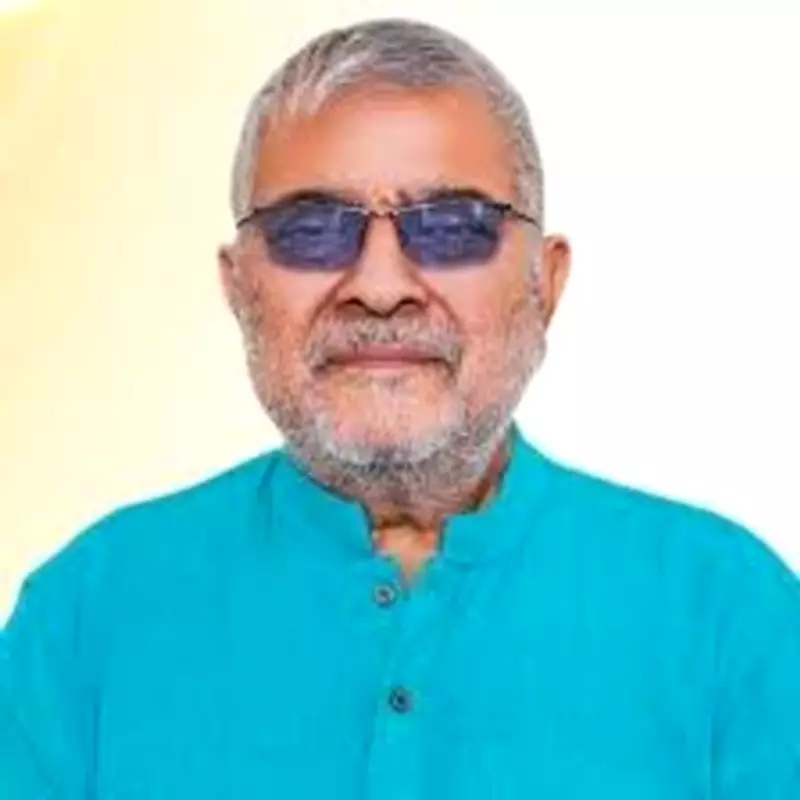
In a sharp critique of the central government, Member of Parliament Dharamvira Gandhi from Punjab has voiced strong opposition to recent policy moves, particularly focusing on the US-India trade deal and modifications to the Mahatma Gandhi National Rural Employment Guarantee Act (MGNREGA). His statements highlight growing concerns over economic sovereignty and social welfare in India.
Criticism of the US-India Trade Deal
Gandhi expressed deep reservations about the ongoing negotiations for a US-India trade deal, arguing that it could compromise India's economic interests. He emphasized that such agreements often favor larger economies like the United States, potentially undermining local industries and farmers. The MP warned that the deal might lead to unfair trade practices, affecting sectors crucial to India's growth and employment.
Key points raised by Gandhi include:

- Potential negative impacts on small and medium enterprises (SMEs) due to increased competition from US goods.
- Risks to agricultural sectors, with fears of cheap imports flooding the market and harming farmers' livelihoods.
- Concerns over intellectual property rights that could limit access to affordable medicines and technology.
Opposition to MGNREGA Changes
Additionally, Gandhi slammed the government for recent changes to MGNREGA, a flagship rural employment scheme. He argued that these alterations weaken the program's effectiveness in providing guaranteed work and financial security to rural households. The MP highlighted that modifications, such as reduced funding or stricter eligibility criteria, could exacerbate poverty and unemployment in vulnerable regions.
Gandhi stated, "The government's approach to MGNREGA is undermining its core purpose of ensuring livelihood security for the rural poor. We must prioritize social welfare over fiscal adjustments that harm the marginalized."
Specific issues with MGNREGA changes mentioned:
- Alleged cuts in budget allocations that limit the number of workdays provided under the scheme.
- Introduction of digital systems that may exclude those without access to technology, particularly in remote areas.
- Delays in wage payments, which affect the timely financial support for laborers.
Broader Implications and Government Response
Gandhi's criticism extends beyond these specific issues to broader governance concerns. He accused the government of prioritizing international agreements and economic reforms at the expense of domestic welfare programs. The MP called for a more balanced approach that safeguards India's economic independence while strengthening social safety nets.
In response, government officials have defended the trade deal as beneficial for boosting exports and attracting foreign investment, and they argue that MGNREGA changes aim to improve efficiency and reduce corruption. However, Gandhi remains skeptical, urging for greater transparency and public consultation in such policy decisions.
This development underscores ongoing debates in Indian politics regarding globalization, economic policy, and social justice, with figures like Gandhi advocating for a cautious and people-centric approach.