MP Sudama Prasad Voices Strong Concerns During Railway Budget Debate
During Monday's parliamentary discussion on the railway budget, Sudama Prasad, a member of the standing committee on railways, delivered a comprehensive critique highlighting multiple systemic issues plaguing India's railway network. The MP from Ara raised urgent concerns that affect millions of daily passengers, particularly those from economically disadvantaged backgrounds.
Inadequate Amenities at Rural and Smaller Stations
Prasad emphasized the persistent lack of basic facilities at numerous smaller and rural railway stations across the country. He specifically mentioned that many stations continue to operate without essential amenities such as reliable drinking water sources, proper seating arrangements, and adequate shelter from weather conditions. The situation becomes particularly dire during extreme temperatures and monsoon seasons.
The parliamentarian provided concrete examples from his constituency, noting that several stations in Bhojpur district suffer from dangerously low platform heights. This infrastructure deficiency creates significant safety hazards and inconvenience for passengers during boarding and alighting processes, especially affecting elderly travelers, children, and those with mobility challenges.

Furthermore, Prasad highlighted the complete absence of toilet facilities at many stations, describing this as a fundamental failure in providing basic human dignity to passengers. He called for immediate corrective measures to address these infrastructure gaps, arguing that such deficiencies undermine the government's claims of improved passenger services.
Accessibility and Affordability Crisis for Common Passengers
Turning to broader policy concerns, Prasad raised alarming questions about the railways' shifting priorities. "Railways remains the primary mode of travel for the poor and middle class," he stated, while expressing concern that recent trends suggest the national transporter is becoming increasingly inaccessible to ordinary citizens.
The MP pointed to a worrying pattern of reduced availability of general and sleeper class coaches alongside a simultaneous increase in premium train services. This dual approach, he argued, effectively prices out economically vulnerable passengers who depend on affordable rail travel for employment, education, and healthcare access.
"Is the railways gradually becoming accessible only to the affluent?" Prasad questioned during his budget intervention. He emphasized that this trend contradicts the railways' historical role as the people's transport system and represents a departure from its social service obligations.
Specific Demands for Immediate Action
Prasad presented several concrete demands during his parliamentary address:
- Restoration of ordinary passenger trains that were discontinued during the COVID-19 pandemic period
- Increase in daily passenger services to accommodate growing travel demand
- Addition of more sleeper and general coaches to existing trains to reduce overcrowding
- Expedited completion of railway infrastructure projects, specifically mentioning the delayed foot overbridge construction in Ara
The parliamentarian painted a vivid picture of migrant workers and economically weaker passengers being forced to travel in dangerously overcrowded conditions due to insufficient coach availability. He described how this not only compromises passenger comfort but also raises serious safety concerns that require urgent governmental attention.
Local Infrastructure Delays and Commuter Impact
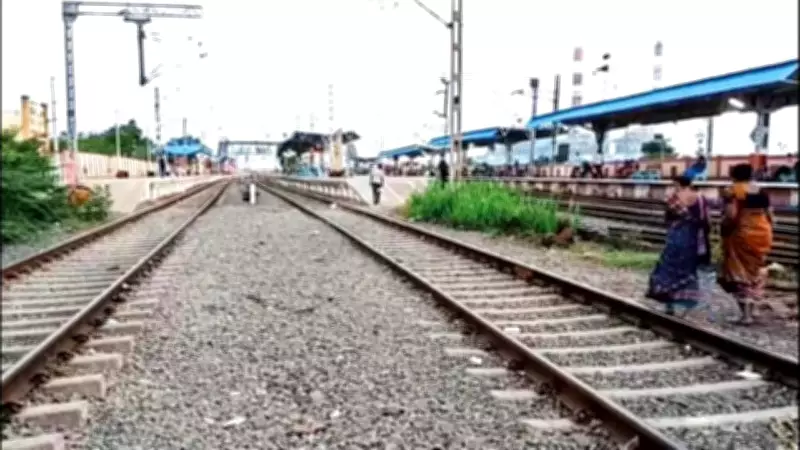
Prasad expressed particular frustration with the slow pace of construction for a railway foot overbridge in Ara, his constituency. He demanded its early completion to benefit daily commuters who currently face safety risks while crossing railway tracks. This local example, he suggested, reflects broader patterns of delayed infrastructure projects across the railway network.

The MP's comprehensive critique comes at a crucial time when Indian Railways is undergoing significant modernization efforts. His arguments highlight the tension between pursuing premium services and maintaining accessibility for India's vast population of budget-conscious travelers.
Prasad's intervention serves as a reminder that railway development must balance technological advancement with equitable access, ensuring that India's most essential transport network remains truly democratic in its service delivery.