MHA Issues Directive for Enhanced Social Media Monitoring During Pro-Iran Protests
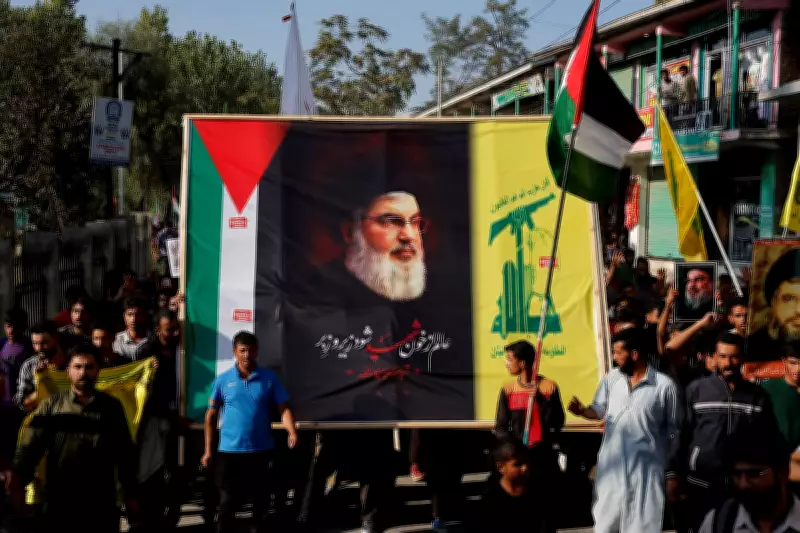
The Ministry of Home Affairs (MHA) has issued a crucial directive to all state governments across India, mandating a heightened state of vigilance on social media platforms and religious sermons. This move comes in response to ongoing pro-Iran protests that have raised concerns about potential escalations in public sentiment and security.
Strict Surveillance Measures Implemented
In an official communication, the MHA emphasized the necessity for states to implement rigorous monitoring of social media activities. The primary objective is to ensure that there is no flare-up of emotions or inflammatory content that could exacerbate tensions during these sensitive times. The directive specifically targets platforms where discussions related to the protests and geopolitical issues in West Asia are prevalent.
The ministry stated that proactive measures are essential to maintain public order and prevent any untoward incidents. This includes tracking posts, comments, and shared content that may incite violence or spread misinformation. Authorities are also instructed to coordinate with social media companies to facilitate timely action against violative content.

Focus on Religious Sermons and Public Gatherings
Beyond digital spaces, the MHA has also directed states to keep a close watch on religious sermons and public gatherings. This aspect of the directive aims to prevent any speeches or discourses that might fuel the protests or lead to communal discord. State law enforcement agencies have been tasked with ensuring that all such events adhere to legal frameworks and do not promote anti-national or divisive narratives.
The monitoring extends to both online and offline channels, reflecting a comprehensive approach to security. States are expected to deploy additional resources, including cyber cells and intelligence units, to effectively carry out these surveillance activities.
Geopolitical Context and Domestic Implications
The pro-Iran protests in India are part of a broader geopolitical landscape involving West Asia and the Middle East. These demonstrations have drawn attention due to their potential impact on India's internal security and diplomatic relations. The MHA's directive underscores the government's commitment to safeguarding national interests while respecting freedom of expression.
Key points from the directive include:
- Enhanced coordination between central and state agencies for real-time intelligence sharing.
- Regular assessments of social media trends to identify emerging threats.
- Strict enforcement of laws against hate speech and sedition in both physical and virtual spaces.
- Public awareness campaigns to encourage responsible use of social media during sensitive periods.
This proactive stance by the MHA is seen as a preventive measure to curb any potential unrest. It aligns with broader efforts to maintain harmony and stability in the face of external geopolitical developments. The directive also highlights the increasing role of digital platforms in shaping public discourse and the need for robust regulatory mechanisms.