Welfare vs. Growth: Inside Mamata Banerjee's Political Strategy and Bengal's Economic Crossroads
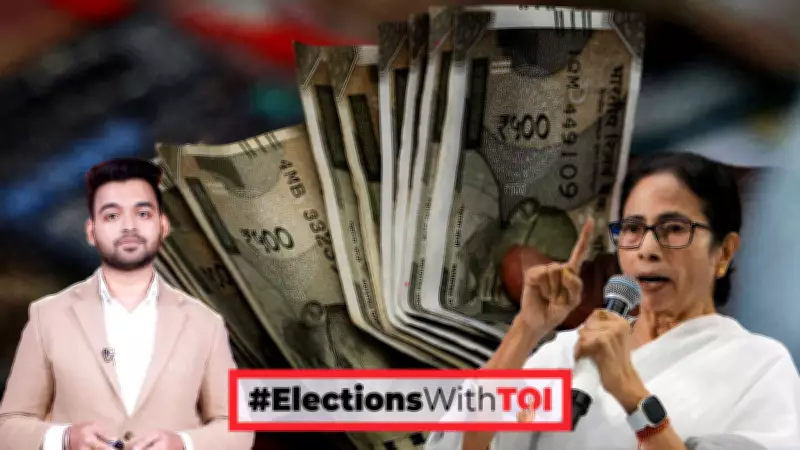
West Bengal, under the leadership of Chief Minister Mamata Banerjee, has transformed into a state where welfare policies dominate the political landscape. Millions of residents across the region benefit from an extensive array of direct cash transfers, subsidised food provisions, pensions, and various grants. This welfare-centric approach ensures the government's pervasive presence in the daily lives of citizens, shaping electoral dynamics and public perception.
Flagship Schemes: A Safety Net for Millions
The state government has rolled out several flagship initiatives designed to cater to diverse demographic groups. Lakshmir Bhandar provides financial assistance to women, empowering them economically. Kanyashree focuses on girls' education and welfare, while Rupashree offers marriage support to alleviate financial burdens. For broader welfare, the Jai Bangla scheme delivers general assistance, and Krishak Bandhu supports farmers with income aid. Additionally, Yuvashree targets unemployed youth, aiming to provide them with temporary relief and opportunities.
These programs collectively form a robust social safety net, fostering loyalty and political support among beneficiaries. However, this reliance on cash doles and subsidies has sparked intense debate about the long-term sustainability of such an approach.

The Economic Dilemma: Stagnant Growth and Fiscal Pressures
Despite the widespread benefits of welfare schemes, West Bengal faces significant challenges in industrial growth and job creation. The state's economic expansion has lagged behind other regions, with limited progress in attracting large-scale investments or fostering a vibrant private sector. This stagnation raises critical questions about the balance between immediate welfare and sustainable development.
Fiscal stress is mounting as the government allocates substantial resources to these programs. The financial burden of maintaining such an extensive welfare apparatus strains the state's budget, potentially compromising funds for infrastructure, education, and healthcare. Economists warn that without complementary efforts to boost industrial output and employment, Bengal's economic future could be at risk.
Political Implications as Elections Approach
With the 2026 Assembly elections on the horizon, Mamata Banerjee's strategy of prioritizing cash transfers over job creation is under scrutiny. While welfare schemes have solidified her political base, critics argue that this approach may not address deeper structural issues like unemployment and economic diversification. The reliance on doles could become a double-edged sword, offering short-term gains but jeopardizing long-term prosperity.
Voters are increasingly weighing the benefits of immediate financial support against the need for sustainable economic opportunities. This tension highlights a broader political and economic dilemma: can welfare politics alone secure Bengal's future, or is a shift towards industrial growth imperative?
As the election campaign intensifies, the debate over cash versus jobs will likely dominate discussions, shaping the state's trajectory for years to come. The outcome will not only determine political fortunes but also define West Bengal's economic path in an era of global challenges and opportunities.