

Mamata Banerjee Launches Scathing Attack on Election Commission After Tense Meeting
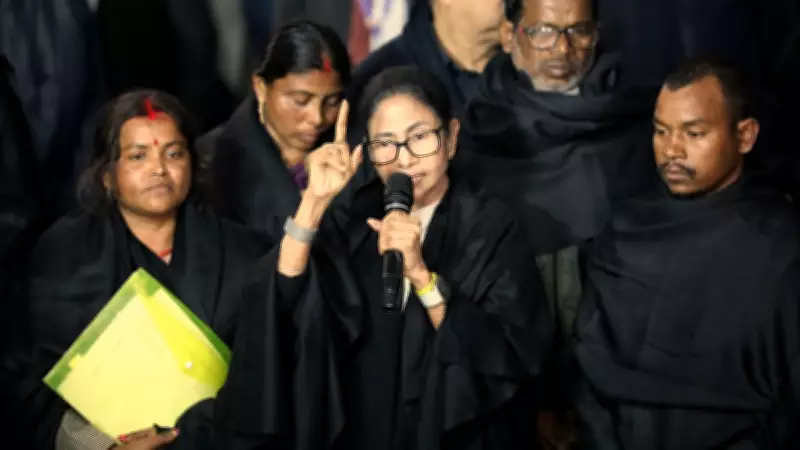
West Bengal Chief Minister Mamata Banerjee unleashed a blistering critique against the Election Commission of India on Monday, labeling Chief Election Commissioner Gyanesh Kumar as "arrogant" and a "liar" following what she described as an unsatisfactory meeting in New Delhi. The Trinamool Congress supremo led a delegation that included party leaders and twelve individuals allegedly affected by the Special Summary Revision (SIR) of electoral rolls, wearing a black shawl as a symbolic protest against what she perceives as institutional bias.
Allegations of Massive Voter Deletion and Political Targeting
During her interaction with reporters after the 90-minute meeting, Banerjee made startling allegations about the electoral process in her state. "We have no hope from the Election Commission. They are BJP agents," she declared, accusing the poll body of functioning with a landlord-like attitude toward elected representatives. Her central contention focused on the deletion of approximately 58 lakh voters from draft electoral rolls during the SIR exercise, which she claimed was being conducted suspiciously close to Assembly elections.
"Why is only Bengal being targeted?" Banerjee demanded, questioning the timing of the voter verification process just three months before scheduled polls. She framed the issue as an assault on democratic principles, stating that "in democracy, elections are a festival" while alleging that the EC's actions had resulted in tragic consequences.

Dramatic Confrontation and Contradictory Narratives
The meeting unfolded amid heightened security and contradictory accounts from both sides. While Banerjee claimed to have "boycotted" the meeting after what she described as disrespectful treatment, the Election Commission issued a statement confirming they had met with the TMC delegation and addressed their concerns. "He insulted us," Banerjee asserted about Gyanesh Kumar. "Hence, we boycotted him and the meeting. If the BJP is in his favour, then the people are with us."
The EC's official response presented a markedly different perspective. Their statement noted that TMC representatives had used "abusive and threatening language" against commission officials and highlighted incidents of vandalism at electoral offices. The poll body emphasized that "no pressure, obstruction, or interference of any kind" should be exerted on officers conducting SIR work and defended their administrative decisions regarding appointment of Returning Officers.
Emotional Appeals and Security Concerns
Earlier in the day, Banerjee's visit to Delhi took on dramatic dimensions as she visited both Banga Bhawan locations in Chanakyapuri and Hailey Road. Flanked by her nephew and TMC general secretary Abhishek Banerjee, the Chief Minister made emotional appeals to security personnel, framing the situation as a matter of "Bengali pride" and resistance against central overreach. "Any attack on Bengal's people will be met with fierce resistance. Bengal will not bow, and Delhi's diktats will not prevail," she proclaimed with folded hands.
Security arrangements became a point of discussion, with Delhi Police Special Commissioner Devesh Srivastava clarifying that extensive measures were implemented as per protocol for the Z+ category protectee. He stated that police maintained constant coordination with West Bengal authorities and denied any security lapses during the visit, explaining that deployments were made based on intelligence about political supporters arriving from West Bengal.
Broader Implications for Electoral Integrity
Banerjee's allegations extended beyond procedural complaints to serious accusations about human costs. She claimed to have brought 100 people from Bengal to Delhi, including individuals declared dead by the EC and families who lost relatives during the SIR exercise. "You killed 98 people, and you are not letting them defend themselves," she charged, demanding that the Election Commission take responsibility for these alleged fatalities.

The EC statement countered by noting that the West Bengal government had failed to register FIRs against officials involved in a case of unauthorized credential sharing. This exchange highlights the deepening rift between state and central institutions over electoral management, with Banerjee warning that "no chair is permanent" and asserting the power of people over what she characterized as BJP-influenced constitutional bodies.
As political temperatures rise ahead of Assembly elections, this confrontation underscores the volatile intersection of federal relations, electoral administration, and democratic accountability in India's vibrant but contentious political landscape.





