

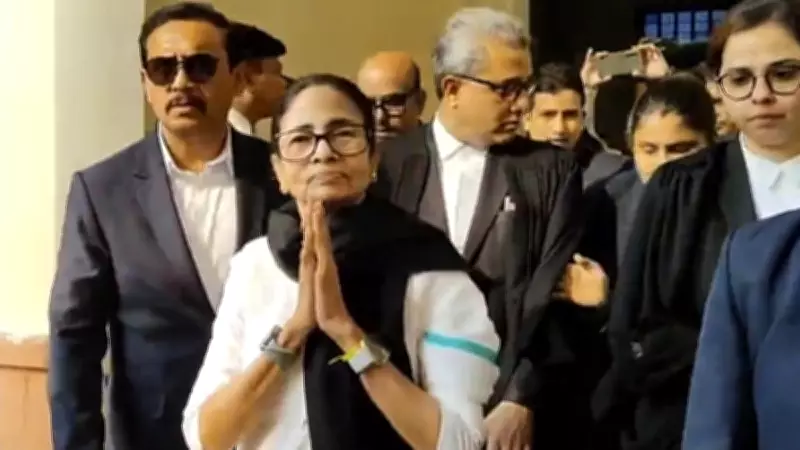
Mamata Banerjee Defends Electoral Roll Revision in Supreme Court Hearing
The Supreme Court of India, led by the Chief Justice of India, has commenced hearings on petitions challenging the ongoing Special Intensive Revision (SIR) of electoral rolls in West Bengal. This legal proceeding has drawn significant attention as it involves critical issues related to electoral integrity and democratic processes in the state.
Mamata Banerjee's Stance on the Matter
West Bengal Chief Minister Mamata Banerjee has publicly stated that she is fighting for a larger cause in this case. Her remarks came as the Supreme Court bench, headed by the CJI, took up the hearing on multiple pleas that question the validity and implementation of the SIR process. Banerjee's defense emphasizes the importance of ensuring accurate and updated voter lists, which she argues is essential for fair elections and upholding democratic values.
Details of the Special Intensive Revision
The Special Intensive Revision of electoral rolls in West Bengal is a targeted initiative aimed at thoroughly updating and verifying voter registrations. This process involves extensive checks and corrections to eliminate errors, duplications, or fraudulent entries, thereby enhancing the credibility of the electoral system. However, it has faced opposition from various groups who allege procedural irregularities or political motivations behind the revision.

The petitions before the Supreme Court raise concerns about the timing, methodology, and potential biases in the SIR. Critics argue that it could disenfranchise certain sections of voters or be used to manipulate electoral outcomes. In response, supporters, including Mamata Banerjee, contend that the revision is a necessary step to clean up the electoral rolls and prevent malpractices in future elections.
Implications for West Bengal Politics
This legal battle holds significant implications for West Bengal's political landscape. As a state with a history of intense electoral competition, any changes to voter lists can influence election results and public trust. The Supreme Court's decision in this case could set precedents for how electoral revisions are conducted across India, impacting not just West Bengal but also other states facing similar challenges.
Mamata Banerjee's involvement highlights the high stakes involved, as she positions herself as a champion of democratic principles. Her statement about fighting for a larger cause underscores the broader debate over electoral transparency and accountability in Indian democracy.
Next Steps in the Legal Process
The Supreme Court hearing is expected to continue with detailed arguments from both sides. Legal experts anticipate that the bench will scrutinize the evidence and legal provisions related to the SIR. Key issues to be addressed include the constitutional validity of the revision, compliance with Election Commission guidelines, and the protection of voters' rights.
As the proceedings unfold, all eyes are on the judiciary to provide clarity and direction on this contentious matter. The outcome could reshape electoral practices in West Bengal and influence ongoing political dynamics in the region.






