Mamata Banerjee Launches Scathing Attack on Election Commission, Labels It 'Tughlaqi Commission'
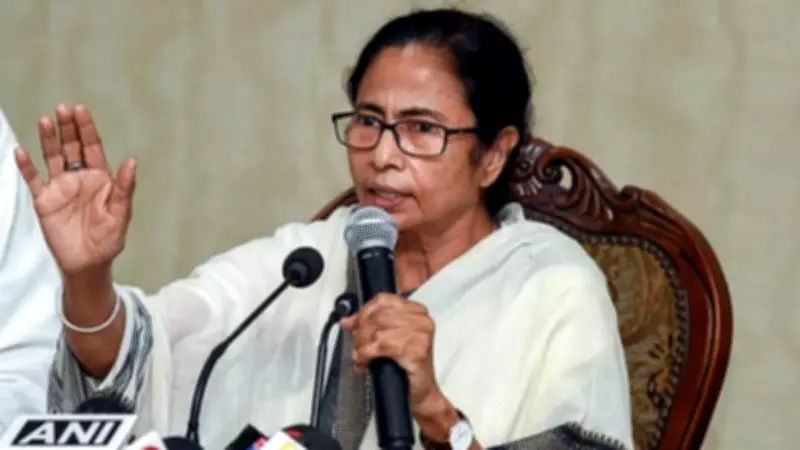
West Bengal Chief Minister Mamata Banerjee has unleashed a fierce verbal assault on the Election Commission of India (ECI), accusing the constitutional body of blatantly working to "please the Bharatiya Janata Party (BJP)" and engaging in systematic voter manipulation within her state. In a dramatic political statement, Banerjee branded the ECI as a "Tughlaqi Commission," drawing a historical parallel to criticize what she perceives as its arbitrary and whimsical decisions.
Historical Reference to Muhammad bin Tughlaq Underpins Allegation
By invoking the term 'Tughlaqi,' Mamata Banerjee was directly alluding to the 14th-century Delhi Sultan, Muhammad bin Tughlaq, who is notoriously remembered in Indian history for his capricious and often irrational policies. This comparison implies that the Election Commission is acting with similar unpredictability and lack of sound judgment, allegedly to favor the ruling BJP at the central level.
The Chief Minister's allegations center on claims of electoral malpractice in West Bengal, where she asserted that the ECI's actions are undermining the democratic process. She did not provide specific evidence in her initial remarks but emphasized a pattern of behavior that she claims disadvantages her party, the Trinamool Congress (TMC), and its supporters.

Context of Rising Political Tensions in West Bengal
This outburst occurs against a backdrop of heightened political rivalry between the TMC and the BJP in West Bengal. The state has witnessed intense electoral battles in recent years, with both parties vying for dominance. Banerjee's comments reflect growing frustrations among opposition figures regarding the perceived impartiality of election oversight bodies.
Experts note that such accusations are not uncommon in Indian politics, especially during election seasons, but the use of the "Tughlaqi" epithet adds a layer of historical critique, suggesting a deeper erosion of institutional trust. The Election Commission has yet to issue an official response to these serious charges.
Potential Implications for Electoral Integrity and Democracy
If proven, allegations of voter manipulation could have significant consequences for electoral integrity in one of India's most politically vibrant states. They raise questions about the autonomy and effectiveness of the ECI, which is tasked with ensuring free and fair elections across the country.
Banerjee's statement is likely to galvanize her political base and draw attention to concerns over democratic safeguards. It also sets the stage for further confrontations between state and central authorities, as West Bengal prepares for upcoming electoral exercises.
As this controversy unfolds, all eyes will be on how the Election Commission addresses these allegations and whether any substantive investigations into voter manipulation are initiated. The political discourse in India continues to be shaped by such high-stakes accusations, impacting public perception and institutional credibility.