Major Maoist Surrender Wave Sweeps Bastar and Gadchiroli as Odisha Declared Naxal-Free
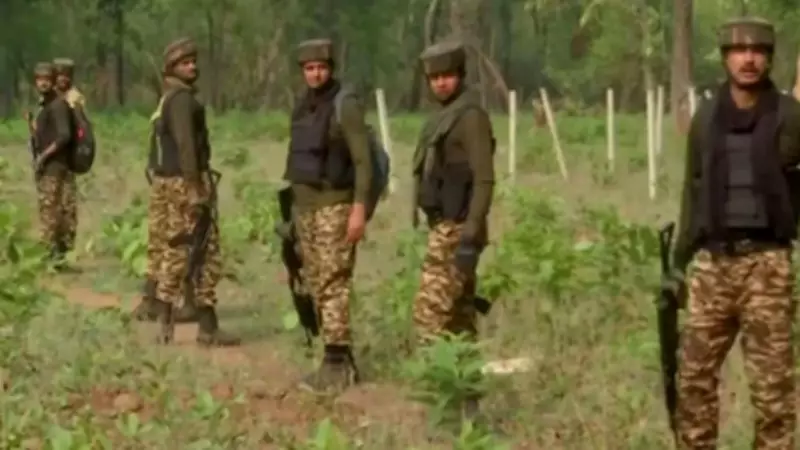
In a significant development in India's fight against left-wing extremism, dozens of Maoist cadres surrendered across the Bastar region in Chhattisgarh and Gadchiroli in Maharashtra on March 31. This date marked the final day of Union Home Minister Amit Shah's deadline to end Maoist violence. Simultaneously, the state of Odisha declared itself free of Naxalite influence and officially scrapped its surrender and rehabilitation policy for those who failed to lay down arms.
Strategic Surrenders in Gadchiroli and Coordinated State Efforts
In Gadchiroli, Maharashtra—long considered one of the worst-affected areas by Maoist violence—the surrender of nine cadres from Chhattisgarh was described by officials as particularly significant. These individuals had played roles in operations spanning both states, highlighting the cross-border nature of the insurgency. Verification processes will now precede the provision of rehabilitation benefits, which include financial aid and skill training programs.
The Central government has already reclassified Gadchiroli and Gondia districts in Maharashtra from "Maoist-affected" to the "legacy and thrust" category. This designation represents the final stage before full normalization, indicating substantial progress in counter-insurgency efforts.

Officials attributed the wave of surrenders to a coordinated strategy that combines sustained security operations with attractive incentives. This dual approach has reportedly weakened insurgent morale and encouraged cadres to return to the mainstream.
Odisha's Declaration and the National Landscape
Odisha police announced that the CPI(Maoist) organization has effectively collapsed within the state, with no fresh recruitment reported. Nine districts that once reported Maoist presence have now been cleared, leaving only a small patch in Kandhamal with limited activity. Security forces remain on high alert to prevent any resurgence of extremist activities.
With this development, only Bijapur in Chhattisgarh and West Singhbhum in Jharkhand remain officially categorized as Maoist-affected districts across the entire country. This marks a dramatic reduction from previous years when multiple states grappled with significant Naxal presence.
Surrender Details Across Bastar Districts
On Tuesday, at least 35 insurgents surrendered across five districts in the Bastar region:
- 25 cadres in Bijapur district
- 5 cadres in Dantewada district
- 2 cadres each in Sukma and Kanker districts
- 1 cadre in Narayanpur district
This surrender wave occurred as security forces intensified pressure on Maoist networks throughout the region. Additionally, nine more Maoists crossed the Indravati river from Chhattisgarh forests into Maharashtra's Gadchiroli district, surrendering with weapons and explosives in their possession.
Weapons and Cash Recoveries
Security forces made substantial recoveries from Maoist dumps, particularly in Bijapur district:
- 93 weapons seized
- Over 7 kilograms of gold recovered
- Rs 2.9 crore in cash confiscated
- Total haul valued at more than Rs 14 crore
In Dantewada, five cadres linked to the Dandakaranya special zonal committee surrendered. Police reported that intelligence provided by these individuals led to the seizure of 40 weapons, including SLR and Insas rifles. Superintendent of Police Gaurav Rai declared that the surrender of these "last five active Maoists" had rendered Dantewada district completely Naxal-free.
District-by-District Breakdown
Bijapur: Police reported the surrender of 25 cadres, including members of area committees. Authorities confiscated weapons such as AK-47 rifles during related operations.
Sukma: Two women cadres, each carrying rewards of Rs 8 lakh, surrendered. Forces seized Rs 10 lakh in cash and several rifles. SP Kiran Chavan stated that the district's Maoist network had been "nearly dismantled."

Kanker: Two surrenders occurred with an AK-47 rifle recovered. SP Nikhil Rakhecha noted that 11 cadres had returned to the mainstream within six days, though approximately 14 Maoists—including divisional committee-level members Chander and Rupi—remained active in the area.
Kandhamal: Around nine lower-rung cadres are believed to be active in the forests of this Odisha district. Additional Director General (anti-Naxal operations) Sanjeeb Panda added that "they may either be neutralised or arrested" in ongoing operations.
The coordinated surrenders across multiple states represent a significant milestone in India's decades-long battle against left-wing extremism. The combination of sustained security pressure, rehabilitation incentives, and intelligence-led operations appears to be yielding tangible results in reducing Maoist influence across previously affected regions.