

Lok Sabha Approves Motion of Thanks Amidst Opposition Uproar, PM Modi's Response Postponed
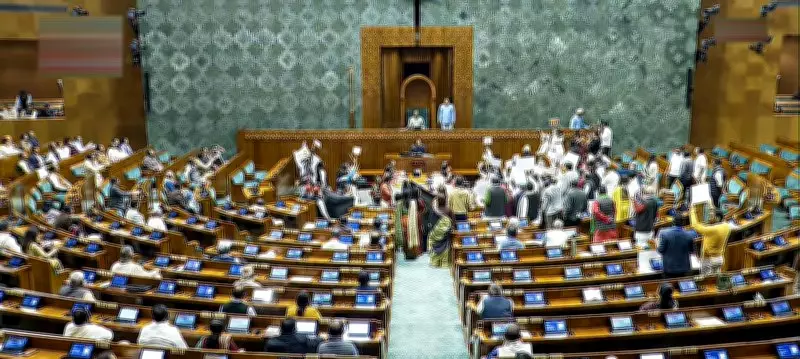
In a session marked by significant political tension, the Lok Sabha successfully passed the Motion of Thanks on the President's address, a key parliamentary procedure. However, the proceedings were notably conducted without the customary reply from Prime Minister Narendra Modi, as opposition members staged vigorous protests, leading to disruptions and walkouts.
Parliamentary Proceedings Overshadowed by Protests
The debate over the Motion of Thanks, which traditionally follows the President's address outlining the government's agenda, was overshadowed by continuous opposition demonstrations. Members from various opposition parties raised slogans and voiced their dissent, creating a chaotic atmosphere in the House. This unrest forced the Speaker to manage the session under challenging conditions, ultimately proceeding with the vote without the Prime Minister's concluding remarks.
The Motion of Thanks is a critical parliamentary exercise, as it allows lawmakers to discuss and respond to the government's policies and plans as presented by the President. In this instance, the opposition's protests highlighted deep-seated disagreements with the current administration's direction, reflecting broader political divides within the country.

Implications of the Deferred Prime Ministerial Reply
The absence of Prime Minister Modi's reply is a notable deviation from standard parliamentary practice. Typically, the Prime Minister addresses the House after the debate, offering clarifications, defending government positions, and outlining future steps. This deferral raises questions about the government's ability to engage with opposition concerns in a constructive manner.
Political analysts suggest that this episode underscores the growing polarization in Indian politics, where procedural norms are increasingly challenged by partisan tactics. The opposition's strategy to disrupt proceedings may be aimed at drawing attention to specific issues or expressing frustration over perceived governance failures.
Broader Context and Future Outlook
This event occurs against a backdrop of ongoing political skirmishes between the ruling party and opposition factions. The Lok Sabha's ability to pass the motion despite the protests indicates a majority support for the government's agenda, but it also points to a fractured parliamentary environment where consensus-building is becoming more difficult.
- The Motion of Thanks was passed with a majority vote, reaffirming the government's legislative strength.
- Opposition parties have vowed to continue their protests, signaling potential further disruptions in upcoming sessions.
- The deferral of PM Modi's reply may lead to renewed debates once parliamentary order is restored.
As India navigates complex political landscapes, such incidents highlight the challenges in maintaining democratic decorum while addressing diverse viewpoints. The focus now shifts to how both sides will approach future dialogues and whether this episode will impact broader governance and policy implementation.






