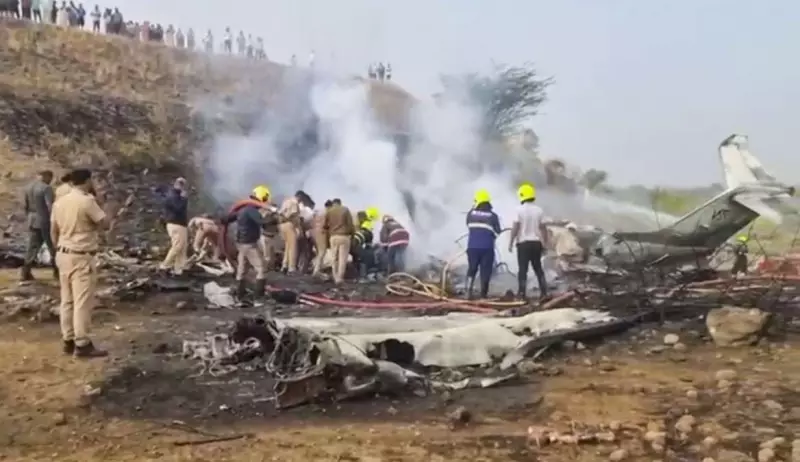
Learjet 45 Aircraft Model Faces Intense Scrutiny After Incident Involving Ajit Pawar
The aviation industry and regulatory bodies are closely examining the Learjet 45 aircraft model in the wake of a recent incident that involved Maharashtra Deputy Chief Minister Ajit Pawar. This development has brought to light longstanding safety concerns associated with this particular business jet, which has been involved in a significant number of accidents worldwide.
Global Safety Record of the Learjet 45 Raises Alarms
Investigations and historical data reveal that the Learjet 45 model has been linked to approximately 200 accidents across the globe. These incidents span various regions and have occurred over several years, prompting aviation experts to question the aircraft's design, maintenance protocols, and operational safety measures. The cumulative toll of these accidents has resulted in numerous fatalities and substantial property damage, making it a focal point for safety reviews.
Details of the Ajit Pawar Incident and Its Implications
While specific details of the incident involving Deputy CM Ajit Pawar are still emerging, preliminary reports indicate that it involved a Learjet 45 aircraft. This event has not only raised immediate concerns about the safety of high-profile individuals but has also ignited a broader debate on the regulatory oversight of private and business aviation in India. Authorities are likely to conduct a thorough investigation to determine the exact causes and any potential lapses in safety standards.

Aviation Authorities and Industry Response to Safety Concerns
In response to the growing scrutiny, aviation authorities in India and internationally are expected to review safety protocols and maintenance records for all Learjet 45 aircraft in operation. Key steps being considered include:
- Enhanced inspection routines for critical components of the aircraft.
- Mandatory safety audits for operators and maintenance crews.
- Potential updates to pilot training programs specific to this model.
- Collaboration with global aviation bodies to share data and best practices.
The industry is also bracing for possible regulatory changes that could affect the operational status of these jets, especially in regions with stringent safety norms.
Historical Context and Lessons from Past Accidents
The Learjet 45, first introduced in the late 1990s, has been a popular choice for business and private travel due to its performance and comfort. However, its accident history highlights recurring issues such as:
- Mechanical failures in flight control systems.
- Challenges in adverse weather conditions.
- Human factors, including pilot error and inadequate training.
Learning from these past incidents is crucial for improving future safety measures and preventing similar occurrences.
Future Outlook and Preventive Measures
Moving forward, stakeholders in the aviation sector are advocating for a proactive approach to ensure the safety of all aircraft models, including the Learjet 45. Recommendations include investing in advanced technology for real-time monitoring, fostering a culture of safety-first among operators, and ensuring transparent reporting of incidents. The goal is to mitigate risks and uphold the highest standards of aviation safety, protecting passengers and crew alike.