Kharge Advocates for Parliamentary Reforms in Rajya Sabha Farewell
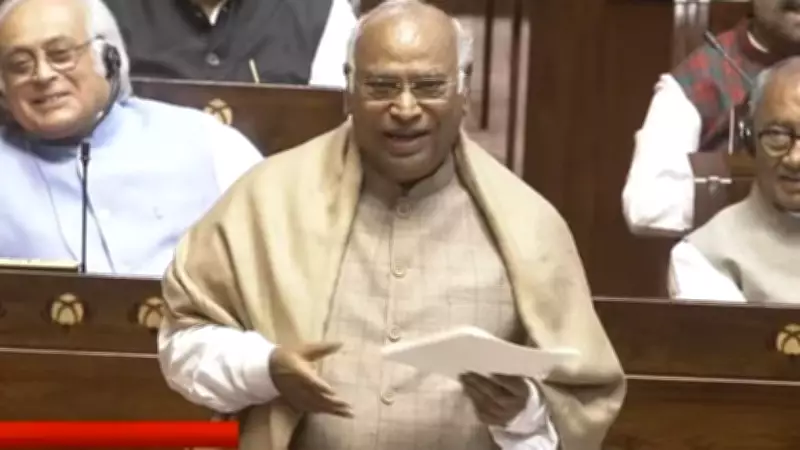
Congress President and Leader of the Opposition in the Rajya Sabha, Mallikarjun Kharge, delivered a poignant farewell address to retiring members of the Upper House on Tuesday. In his remarks, he emphasized the need for a comprehensive review of the House's operational rules and procedures to enhance its effectiveness and responsiveness.
Call for Increased Parliamentary Sittings
Kharge strongly advocated for a significant increase in the number of sittings held by the Rajya Sabha each year. He argued that more frequent sessions are essential to ensure that critical issues of public importance receive the thorough and serious discussion they deserve. "The House must meet more often to adequately address the pressing concerns of our citizens," Kharge stated, highlighting how limited sittings can sometimes hinder in-depth debate on vital national matters.
Review of House Rules and Procedures
In addition to calling for more sittings, Kharge urged for a formal review of the existing rules governing the Rajya Sabha. He suggested that updating these rules could streamline legislative processes, improve efficiency, and foster a more productive parliamentary environment. This review, he noted, should aim to modernize procedures while upholding the democratic traditions of the House.

Farewell to Retiring Members
The farewell ceremony was an emotional moment, as Kharge acknowledged the contributions of the departing members to the nation's legislative framework. He praised their dedication and service, underscoring the importance of their experience and insights in shaping policies and laws. "We honor the legacy of these members and their commitment to public service," Kharge remarked, reflecting on their collective impact on Indian democracy.
Implications for Parliamentary Functioning
Kharge's proposals carry significant implications for the future functioning of the Rajya Sabha:
- Enhanced Legislative Scrutiny: More sittings could allow for greater examination of bills and policies.
- Improved Public Engagement: Increased discussion time may lead to better representation of public interests.
- Procedural Modernization: A rules review might introduce efficiencies in parliamentary operations.
These suggestions come at a time when parliamentary productivity and engagement are under scrutiny, making Kharge's call particularly relevant. His address not only served as a tribute to retiring colleagues but also as a forward-looking appeal for institutional strengthening. The response from other political parties and House officials to these proposals remains to be seen, but they have sparked a conversation on optimizing India's parliamentary processes for the challenges ahead.