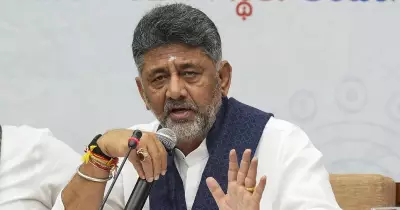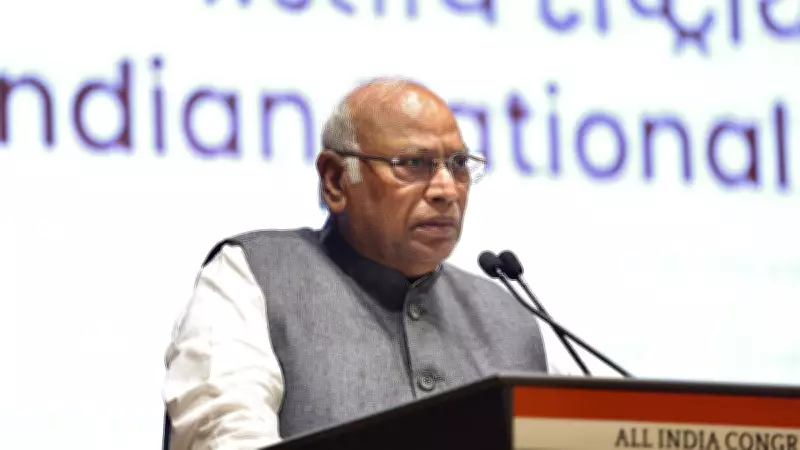
Congress president Mallikarjun Kharge on Tuesday launched a scathing attack on Prime Minister Narendra Modi and the central government, holding them responsible for the rising inflation in the country. He accused the government of lacking foresight and failing to take adequate measures to curb price rises, which are severely impacting the common man.
Kharge's Accusations
Speaking at a press conference in New Delhi, Kharge stated that the Modi government's policies have led to unprecedented inflation, making daily life difficult for millions of Indians. He pointed out that prices of essential commodities such as food grains, vegetables, and fuel have skyrocketed, pushing households into financial distress.
Lack of Planning
Kharge emphasized that the government's lack of foresight in economic planning is evident. He criticized the Centre for not taking timely steps to control inflation, despite warning signs. He noted that the Reserve Bank of India's actions have been insufficient and that the government has failed to address supply chain disruptions.

The Congress leader also highlighted the rising unemployment and economic slowdown, which he said are exacerbating the inflation crisis. He demanded immediate intervention, including reducing taxes on fuel and essential items, and increasing subsidies for the poor.
Government's Response
The ruling party has not yet officially responded to Kharge's remarks. However, government officials have previously defended their economic policies, attributing global factors as the primary cause of inflation. They have pointed to measures such as export bans and duty cuts to stabilize prices.
Inflation has been a major political issue in India, with opposition parties consistently criticizing the government's handling of the economy. The consumer price index (CPI) has remained above the RBI's comfort zone for several months, adding to public discontent.
Impact on Common Citizens
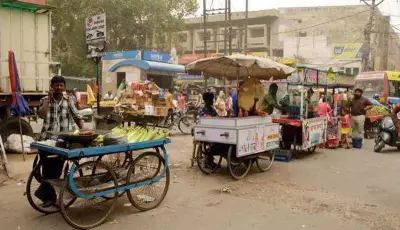
Kharge's comments resonate with many Indians who are struggling with rising costs. From food to fuel, the price surge has eroded purchasing power, forcing families to cut back on expenses. Small businesses and daily wage workers have been particularly hard hit.
The Congress party has vowed to make inflation a key campaign issue in upcoming state elections. Kharge called on the government to act immediately, warning that continued inaction could lead to widespread protests.
Conclusion
As India grapples with economic challenges, the political blame game over inflation intensifies. With no immediate relief in sight, the common citizen continues to bear the brunt of rising prices. Whether the government can effectively address these concerns remains to be seen.