Congress Chief Mallikarjun Kharge Levels Serious Allegations Against PM Modi
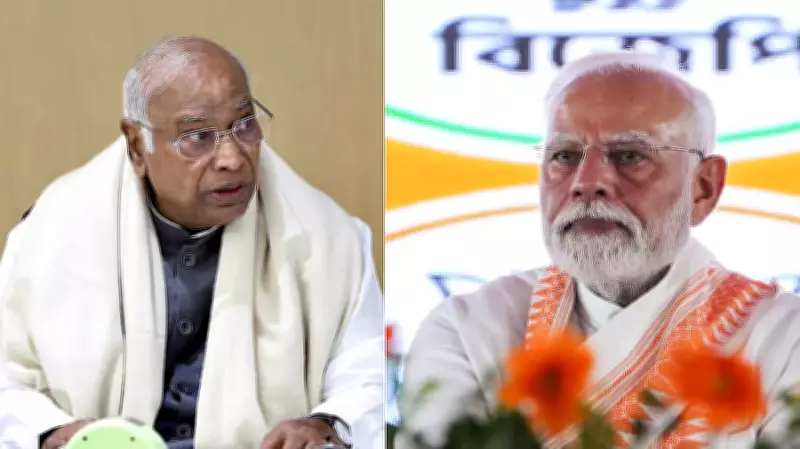
In a scathing critique delivered on April 21, 2026, Congress President Mallikarjun Kharge has launched a direct attack on Prime Minister Narendra Modi, accusing him of systematically terrorizing political parties and the Indian populace through the deliberate misuse of government machinery. Kharge's remarks, which have sent shockwaves through the political landscape, represent one of the most forceful condemnations from the opposition in recent memory.
Allegations of Electoral Manipulation and Institutional Bias
Kharge did not mince words when he asserted that the Election Commission of India has effectively transformed into an "extension of the BJP office." This explosive claim suggests a profound erosion of institutional independence, with the constitutional body allegedly operating under the influence of the ruling party. The Congress chief elaborated that this perceived bias has created an uneven playing field, severely disadvantaging opposition parties during the critical final phases of the election campaign.
Furthermore, Kharge explicitly accused Prime Minister Modi of violating the Model Code of Conduct on multiple occasions. The Model Code of Conduct, a set of guidelines established by the Election Commission to ensure free and fair elections, is meant to regulate political behavior during campaigns. Kharge contends that Modi's alleged breaches have gone unchecked due to the Commission's compromised position, thereby undermining the very foundation of democratic electoral integrity.

The Broader Accusation of State-Sponsored Intimidation
Beyond the electoral context, Kharge's allegations paint a picture of a broader, more sinister campaign of intimidation. He claims that the misuse of investigative and enforcement agencies has become a standard tool to harass, silence, and demoralize political opponents, activists, and ordinary citizens who voice dissent. This environment of fear, according to Kharge, is designed to stifle opposition and consolidate power through undemocratic means.
The timing of these accusations is particularly significant, coming during the heightened atmosphere of a national election. Kharge's statement implies that the government is leveraging its authority not just to win votes, but to fundamentally alter the democratic fabric of the nation by instilling a climate of apprehension and compliance.
Political Repercussions and the Demand for Accountability
These grave charges have ignited a fierce political debate, with the Congress party likely to use them as a central rallying point against the BJP government. The allegations call into question the neutrality of India's democratic institutions and the fairness of the electoral process itself.
Key points from Kharge's indictment include:
- The deliberate use of state machinery to create a pervasive sense of terror among political adversaries and the public.
- The complete subversion of the Election Commission's autonomy, reducing it to a partisan entity.
- Flagrant and repeated violations of the Model Code of Conduct by the Prime Minister without consequence.
- A systemic effort to undermine democratic norms and principles for political gain.
As the nation processes these serious allegations, the demand for transparency and accountability from constitutional bodies has reached a crescendo. The coming days will reveal how the Election Commission and other institutions respond to these charges of bias and whether the political discourse will center on restoring faith in India's democratic processes.