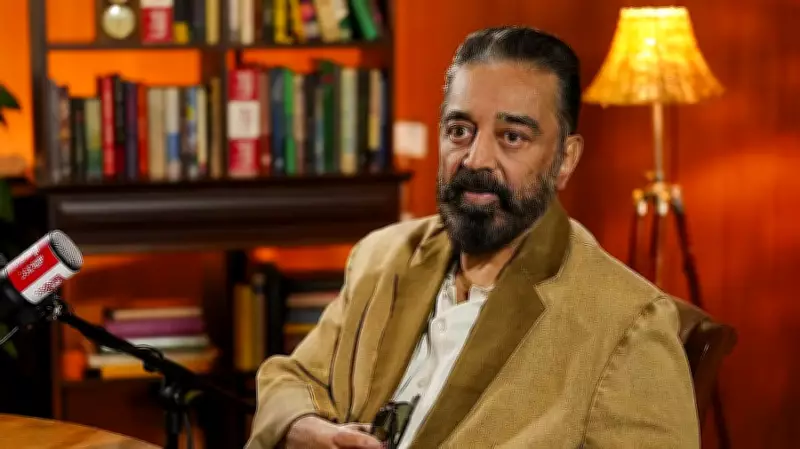
In a striking critique of the electoral process, veteran actor and politician Kamal Haasan has described Bihar as becoming a land of many 'living dead,' expressing grave concern that this 'disease' should not spread further across the nation. His comments came during a discussion on the Special Intensive Revision (SIR) process, which he metaphorically termed as 'the spell check story of the living dead.'
Haasan's Strong Words on Electoral Rights
Kamal Haasan, known for his outspoken views on political matters, emphasized the fundamental right to vote in a democratic setup. He stated, 'We want to cast vote, sir, and commissions are checking our right to vote.' This remark highlights his apprehension about the SIR process potentially infringing upon citizens' electoral freedoms, suggesting that bureaucratic interventions might be undermining the very essence of democracy.
Understanding the SIR Context
The Special Intensive Revision refers to a meticulous verification and updating of electoral rolls, aimed at ensuring accuracy and preventing fraud. However, Haasan's analogy to a 'spell check' implies that while the intention might be to correct errors, it could inadvertently disenfranchise legitimate voters, turning them into what he calls the 'living dead'—individuals who exist but are stripped of their voting rights.

His warning about the disease spreading is a call to action for other states and the central government to scrutinize such processes carefully. By labeling Bihar as an example, he points to potential systemic issues that could replicate elsewhere if not addressed promptly.
Implications for Indian Democracy
This incident sheds light on broader concerns within Indian politics regarding electoral integrity and citizen participation. As debates around voter registration and verification intensify, figures like Kamal Haasan play a crucial role in voicing public grievances. His comments resonate with ongoing discussions about balancing security measures with accessibility in elections.
The timing of his statement, as reported on February 4, 2026, adds urgency to the matter, suggesting that electoral reforms remain a pressing issue. It underscores the need for transparent and inclusive processes that uphold democratic values without creating barriers for voters.