Jammu & Kashmir Government Declines Proposal for State Women's Commission
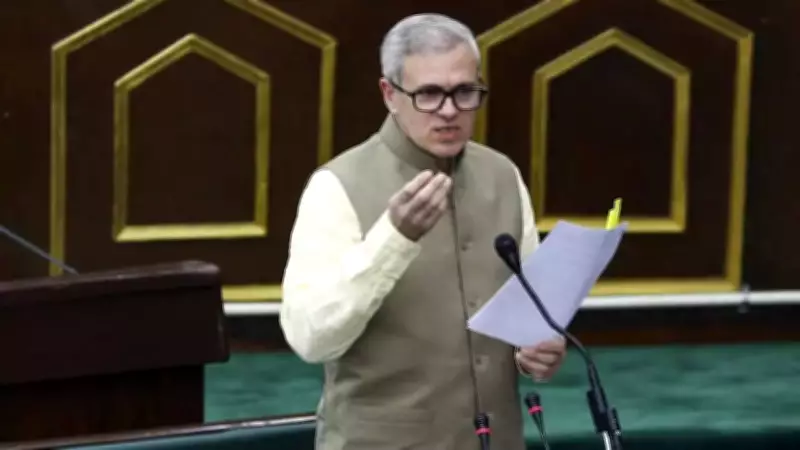
The Jammu and Kashmir government has officially informed the legislative assembly that it currently has no proposal to establish a dedicated State Commission for Women within the Union Territory. This announcement was made on Thursday during assembly proceedings, sparking immediate debate and criticism from opposition members.
Existing National Commission Structure Cited
Government representatives explained that the National Commission for Women (NCW) already maintains a specialized "Jammu & Kashmir and Ladakh Cell" that was specifically established following the historic abrogation of Article 370 in 2019. This specialized unit, according to the administration, serves the purpose that a separate state commission would fulfill, making additional institutional duplication unnecessary.
Opposition Leader Voices Strong Dissent
During a cut motion discussion, Peoples Conference leader Sajad Lone expressed profound disappointment with the government's position. "I see absolutely no valid reason why the government should refrain from establishing a women's commission," Lone stated emphatically. "This institution represents a vital mechanism for women's empowerment and protection of rights across our society."

Lone further reminded the assembly that the Lieutenant Governor's administration had previously approved the reconstitution of the Jammu and Kashmir Commission for Women back in February 2022. "I genuinely fail to comprehend why this government is not advancing this crucial process forward," he added, highlighting what he perceives as governmental inconsistency.
Accusations of Neglecting Vulnerable Groups
The opposition leader leveled serious accusations against the administration, claiming it has systematically ignored critical issues affecting women, children, and juveniles throughout the region. This criticism comes against a backdrop of significant institutional change following constitutional reorganization.
Legacy of the Previous Commission
When the erstwhile Jammu and Kashmir State Women's Commission was officially dissolved on October 23, 2019—shortly after the revocation of Article 370—it left behind a substantial caseload. Official records indicate that over 5,000 pending cases remained unresolved at the time of the commission's closure, raising questions about continuity of justice and support for women who had sought its assistance.
The current government maintains that the National Commission for Women's specialized cell adequately addresses these concerns, while opposition voices argue that a localized, dedicated commission remains essential for effective women's advocacy in the unique context of Jammu and Kashmir.