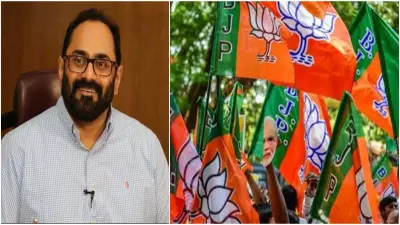
Union Minister Jayant Chaudhary Receives Death Threat Call from Unknown Number
Union Minister and Rashtriya Lok Dal (RLD) chief Jayant Chaudhary has reported receiving a death threat through a phone call from an unknown number. The incident has prompted immediate police action, with authorities registering a First Information Report (FIR) and initiating a thorough investigation to identify the caller and assess the threat level.
Details of the Threatening Call
The threatening call was made to Jayant Chaudhary on March 20, 2026, from an unidentified mobile number. According to sources, the caller issued a direct death threat, causing concern among Chaudhary's security team and political associates. The exact content of the call has not been publicly disclosed to avoid compromising the ongoing investigation, but it is confirmed to be of a serious nature warranting legal intervention.
Police Response and Security Measures
Following the threat, local police in the relevant jurisdiction have taken swift action by filing an FIR under appropriate sections of the Indian Penal Code related to criminal intimidation and threats to life. Investigators are working to trace the unknown number through technical means and are reviewing call records to gather evidence. Additionally, security around Jayant Chaudhary has been heightened as a precautionary measure, with authorities assessing potential risks and ensuring his safety.

Political Reactions and Context
Jayant Chaudhary, a prominent political figure, serves as a Union Minister and leads the RLD, a key party in Indian politics. This incident has drawn reactions from various political quarters, with leaders condemning the threat and calling for a swift resolution. It highlights ongoing security challenges faced by public figures in India, especially during politically sensitive times. The threat comes amid a backdrop of increasing scrutiny on the safety of politicians, prompting discussions on enhancing protective measures.
Ongoing Investigation and Next Steps
The investigation is currently focused on identifying the perpetrator behind the unknown number. Police are collaborating with telecom authorities to track the call's origin and are exploring possible motives, including political rivalry or personal vendettas. Authorities have urged the public to report any suspicious activities and have assured that updates will be provided as the probe progresses. The case underscores the importance of robust security protocols and legal frameworks to address such threats effectively.