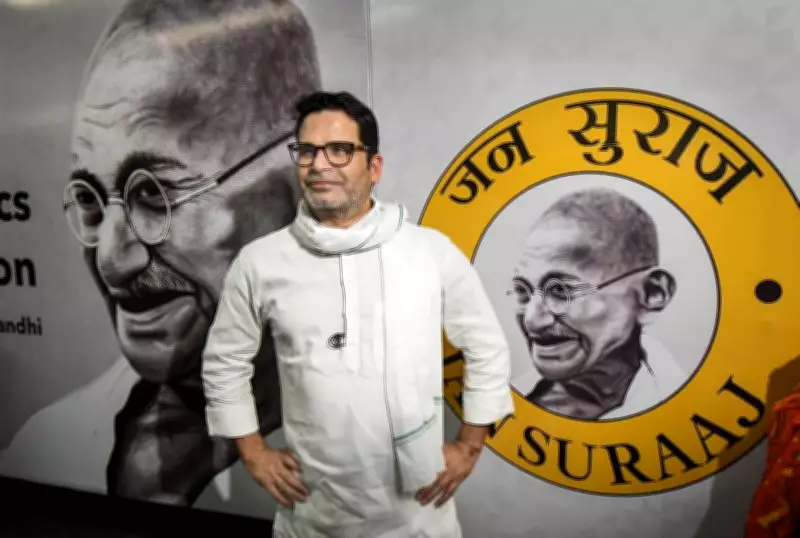
Prashant Kishor's Jan Suraaj Party Moves Supreme Court, Challenges Bihar Election Results
In a significant political development, Prashant Kishor's Jan Suraaj Party has taken a bold legal step by moving the Supreme Court of India to challenge the recent Bihar election results. The party has filed a formal petition, alleging widespread irregularities and procedural lapses during the electoral process, and is now seeking a fresh poll to ensure a fair and transparent democratic exercise.
Allegations of Electoral Irregularities
The petition submitted by the Jan Suraaj Party outlines several key concerns that have prompted this legal action. According to party representatives, the election results were marred by significant discrepancies in vote counting, potential manipulation of electronic voting machines (EVMs), and violations of the Model Code of Conduct. These allegations point to a broader issue of electoral integrity in Bihar, raising questions about the credibility of the outcome.
Prashant Kishor, a renowned political strategist turned party leader, has emphasized that the move is not merely about contesting the results but about upholding the principles of democracy. He stated, "Our petition is a call for justice and transparency. We believe that every vote must count, and any compromise on this front undermines the very foundation of our electoral system."

Demand for Fresh Polls and Legal Implications
In its plea to the Supreme Court, the Jan Suraaj Party has explicitly demanded the conduct of fresh elections in the affected constituencies. The party argues that the alleged irregularities have compromised the will of the people, making it imperative to hold a new poll to restore public trust in the democratic process.
Legal experts suggest that this case could set a precedent for how election disputes are handled in India. If the Supreme Court admits the petition, it may lead to a detailed scrutiny of the electoral procedures in Bihar, potentially influencing future election-related litigations across the country. The court's decision could also impact the political landscape in Bihar, where the election results have already shaped government formation and opposition dynamics.
Political Context and Reactions
The Bihar elections, held recently, were a closely watched contest with high stakes for various political parties. The Jan Suraaj Party's decision to challenge the results adds a new layer of complexity to the post-election scenario. While some political analysts view this as a strategic move to keep the party relevant and highlight electoral reforms, others see it as a genuine effort to address perceived injustices.
Reactions from other political entities have been mixed. Supporters of the ruling coalition have dismissed the petition as a "desperate attempt" by a party that failed to make a significant impact in the polls. In contrast, opposition groups have expressed solidarity with the Jan Suraaj Party's stance, calling for a thorough investigation into the alleged irregularities to ensure electoral fairness.
Broader Implications for Indian Democracy
This legal challenge by Prashant Kishor's Jan Suraaj Party underscores ongoing debates about electoral transparency and accountability in India. As the Supreme Court considers the petition, it brings to the forefront critical issues such as the reliability of EVMs, the enforcement of election laws, and the mechanisms for addressing electoral grievances.
Ultimately, the outcome of this case could have far-reaching consequences, not just for Bihar but for the entire nation's democratic framework. It highlights the importance of robust legal avenues to contest election results and reinforces the need for continuous improvements in the electoral process to uphold the sanctity of democracy.