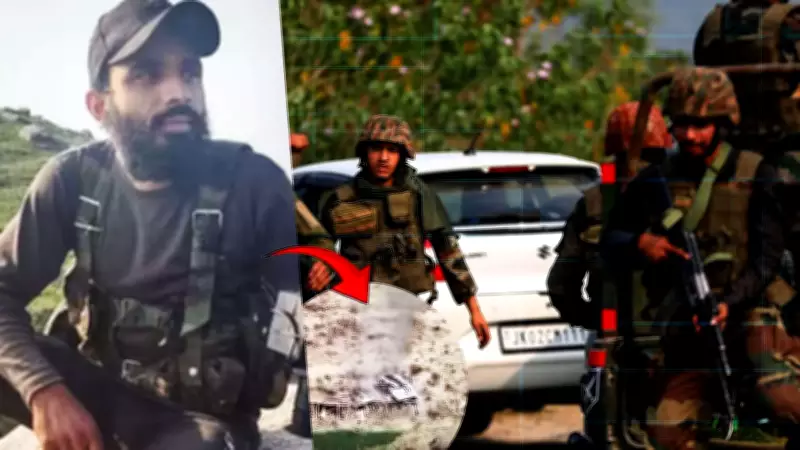
Security Forces Deliver Major Blow to Jaish-e-Mohammed in Jammu Region
In a decisive counter-terrorism operation, Indian security forces have dealt a significant blow to the Jaish-e-Mohammed terror network in Jammu and Kashmir. Three Pakistani terrorists affiliated with the banned organization were neutralized in a joint operation in the Chatroo area of Kishtwar district.
Elusive Commander Finally Eliminated
Among those killed was reportedly Saifullah, a top Jaish-e-Mohammed commander who had successfully evaded capture for approximately two years. Security officials revealed that despite at least twenty previous attempts to apprehend him, the terrorist leader had managed to remain at large until this operation.
The elimination of Saifullah represents a particularly significant achievement for security forces, as commanders of his stature typically coordinate multiple terror activities and maintain communication networks with handlers across the border.

Background of the Terrorist Group
According to security briefings, the three terrorists had been on the run since last month following a violent incident in Singhpora. During that previous engagement, Army Havildar Gajendra Singh was killed and seven soldiers sustained injuries in the line of duty.
Security forces had been intensively tracking the group's movements since that attack, gradually closing in on their location through coordinated intelligence efforts.
Discovery of Sophisticated Hideout
During preliminary investigations in the area, authorities made a crucial discovery: an underground hideout stocked with substantial quantities of rations and supplies. This finding indicated the terrorists were prepared for extended periods of concealment and suggested they had established a semi-permanent operational base in the region.
The presence of such a well-provisioned hideout highlights the ongoing challenges security forces face in detecting and dismantling terrorist infrastructure in remote areas.
The Final Confrontation
The decisive encounter occurred when security forces successfully cornered the terrorists in an open area with minimal vegetation. This terrain proved strategically advantageous for the security personnel, as it limited the terrorists' options for concealment and escape.
With escape routes effectively blocked, the security forces engaged the terrorists in a firefight that resulted in all three being neutralized. The operation involved coordinated efforts between multiple security agencies, including local police, CRPF units, and Army personnel.
Broader Implications for Regional Security
This successful operation represents more than just the elimination of three terrorists. It demonstrates several important developments in counter-terrorism efforts in the region:
- Enhanced intelligence coordination between different security agencies
- Improved tracking capabilities for monitoring terrorist movements
- Effective containment strategies that prevent terrorists from escaping once located
- Continued pressure on terror networks operating in Jammu and Kashmir
The elimination of a commander who had evaded capture for two years sends a strong message about the persistence and effectiveness of India's security apparatus in combating terrorism. It also disrupts the operational capabilities of Jaish-e-Mohammed in the Jammu region, potentially preventing future attacks that might have been planned or coordinated by this eliminated cell.
Security analysts note that while individual operations provide important tactical victories, the broader challenge remains dismantling the infrastructure and support networks that enable terrorist groups to operate in the region. The discovery of the stocked hideout suggests that such infrastructure remains a concern, even as security forces achieve significant successes against individual terrorist elements.