

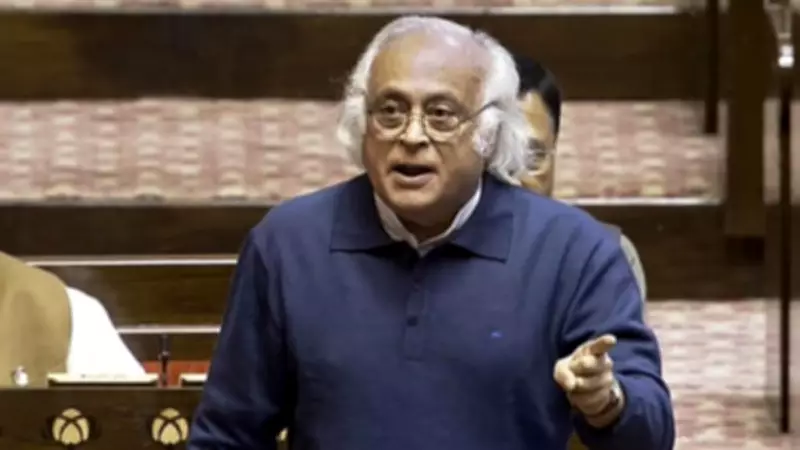
Senior Congress leader Jairam Ramesh has voiced significant concerns regarding the functioning of India's parliamentary democracy, emphasizing the crucial role of the Leader of the Opposition (LoP). In a pointed statement, Ramesh argued that if the LoP is not permitted to speak during parliamentary proceedings, it severely limits the House's ability to operate effectively and uphold democratic principles.
Parliamentary Functioning Under Scrutiny
Ramesh's comments come amid ongoing debates about parliamentary decorum and the rights of opposition members. He stressed that a vibrant democracy requires robust debate and dissent, with the LoP playing a pivotal role in holding the government accountable. According to Ramesh, restricting the LoP's voice undermines the very foundation of parliamentary democracy, where diverse viewpoints should be heard and considered.
Historical Precedent: Manmohan Singh's 2004 Experience
To bolster his argument, Jairam Ramesh recalled a notable incident from June 2004 involving former Prime Minister Manmohan Singh. During the motion of thanks in Parliament that year, Singh was reportedly "prevented from replying" to discussions, as per Ramesh's reminder. This historical example serves to illustrate how such restrictions have occurred in the past, potentially setting concerning precedents for parliamentary conduct.

Ramesh's reference to this event highlights a continuity of issues within parliamentary procedures, suggesting that challenges to opposition voices are not new but require urgent attention to preserve democratic norms.
Implications for Indian Democracy
The Congress leader's remarks underscore broader concerns about the health of India's democratic institutions. By drawing parallels between past and present situations, Ramesh aims to spark a conversation on ensuring that parliamentary rules facilitate, rather than hinder, constructive opposition participation.
This development is part of ongoing political discourse in India, where the balance of power and the role of opposition parties remain hotly debated topics. As such, Ramesh's intervention adds to calls for reforms that strengthen parliamentary democracy and ensure all voices are heard in the nation's highest legislative body.






