Indian Army's Tank Evolution: A Journey from Present to 2035
The Indian Army celebrates Army Day with a focus on its armored might. Tanks have always been a cornerstone of its defense strategy. Today, the force operates a diverse fleet of main battle tanks. These machines play a crucial role in safeguarding the nation's borders.
Current Tank Fleet: Strength and Diversity
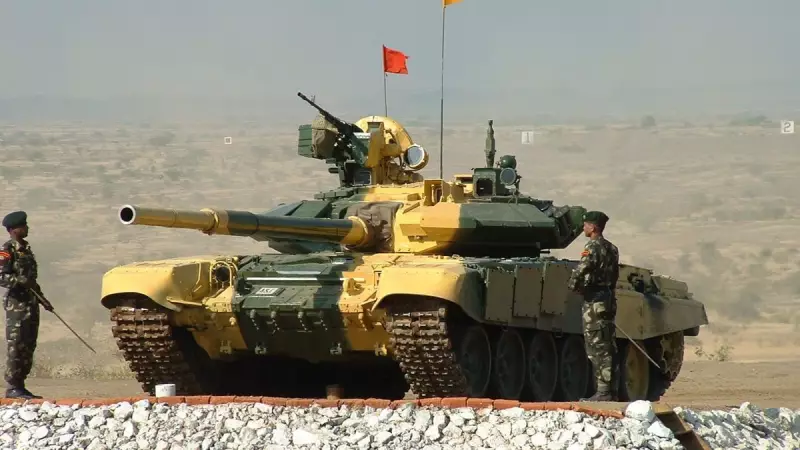
The present inventory includes several key models. The T-90 Bhishma forms the backbone of the armored regiments. This Russian-origin tank offers advanced firepower and protection. India also relies on the T-72 Ajeya, a workhorse for decades. Its upgrades keep it relevant in modern combat scenarios.
Indigenous efforts shine with the Arjun tank. Developed by the Defence Research and Development Organisation (DRDO), it showcases homegrown engineering. The Arjun features a 120mm rifled gun and composite armor. It represents a significant step toward self-reliance in defense manufacturing.

Technological Advancements and Upgrades
The Army continuously enhances its tanks with new technologies. Modernization programs focus on improving fire control systems. Night vision capabilities receive regular updates for better operational readiness. Communication systems now integrate seamlessly with network-centric warfare concepts.
Armor protection sees constant innovation. Reactive armor kits add an extra layer of defense against threats. Engine upgrades boost mobility across varied terrains. These improvements ensure the tanks remain battle-ready at all times.
Future Outlook: Vision for 2035
Looking ahead to 2035, the Indian Army plans a transformative modernization. The Future Ready Combat Vehicle (FRCV) program aims to replace older tanks. This project emphasizes indigenous design and manufacturing. It will incorporate cutting-edge technologies like artificial intelligence and autonomous systems.
Enhanced survivability features will protect crews in high-threat environments. Lethality will increase with advanced ammunition and targeting systems. The Army envisions a networked fleet that operates seamlessly with other combat arms.
Strategic Importance and Indigenous Push
Tanks hold strategic importance in India's defense doctrine. They provide the punch in mechanized warfare. The government's Make in India initiative drives local production. This reduces dependency on foreign suppliers and boosts the domestic defense industry.
Collaborations with private sector firms accelerate innovation. Research institutions work on next-generation materials and propulsion systems. The goal is to field a world-class armored force by 2035.
The evolution of tanks in the Indian Army reflects a commitment to national security. From current strengths to future ambitions, the journey continues with determination and pride.