Indian Army Chief Announces Strategic Shift to Proactive Deterrence Posture
Indian Army Chief General Upendra Dwivedi has unveiled a significant transformation in the nation's military strategy, marking a decisive move from a reactive stance to a proactive deterrence posture. This announcement underscores the Indian Army's commitment to enhancing its operational readiness and adapting to the dynamic security challenges facing the country.
Emphasis on Modernization and Preparedness
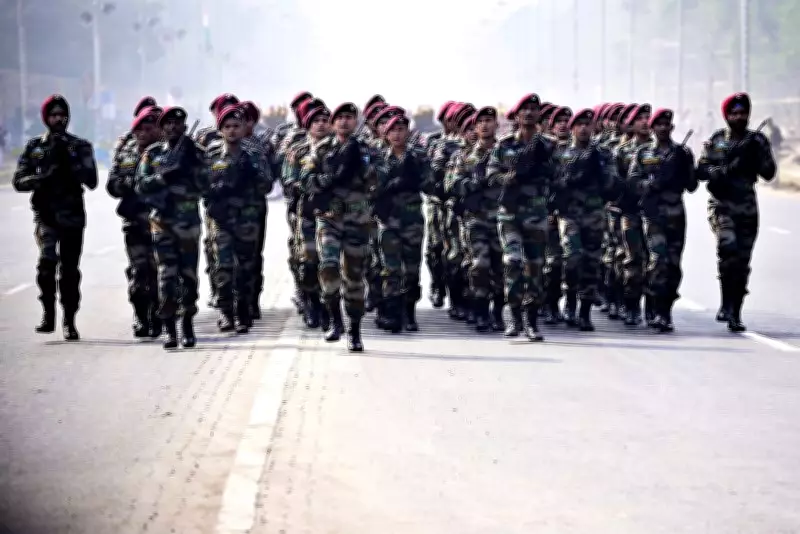
General Dwivedi highlighted that this strategic shift is driven by the need to counter evolving threats effectively. The proactive deterrence approach focuses on preemptive measures and robust defense capabilities to deter potential adversaries before conflicts escalate. This involves a comprehensive modernization of the armed forces, including the acquisition of advanced weaponry, integration of cutting-edge technology, and continuous training of personnel.
The Army Chief emphasized that this posture is not merely about responding to threats but about preventing them through a show of strength and preparedness. He noted that the changing geopolitical landscape, particularly in regions like the borders with China and Pakistan, necessitates a more assertive and forward-looking military strategy.

Key Components of the New Strategy
The proactive deterrence posture encompasses several critical elements designed to bolster India's defense mechanisms:
- Enhanced Surveillance and Intelligence: Leveraging drones, satellites, and cyber capabilities to monitor adversarial movements and gather real-time intelligence.
- Rapid Deployment Forces: Strengthening the ability to mobilize troops and resources swiftly in response to emerging threats.
- Joint Operations: Fostering greater coordination between the Army, Navy, and Air Force to ensure a unified and effective response.
- Indigenous Defense Production: Promoting self-reliance through initiatives like 'Make in India' to reduce dependency on foreign arms and boost domestic manufacturing.
General Dwivedi pointed out that this shift aligns with the government's broader vision of a strong and self-sufficient India, capable of safeguarding its sovereignty and interests in an increasingly complex global environment.
Implications for National Security
The move to a proactive deterrence posture is expected to have far-reaching implications for India's national security framework. By adopting a more anticipatory approach, the Indian Army aims to create a credible deterrent that discourages aggression from hostile neighbors. This strategy also involves psychological operations and strategic communications to project India's resolve and capabilities.
Experts believe that this change reflects a maturing defense doctrine, one that prioritizes prevention over reaction, thereby potentially reducing the likelihood of full-scale conflicts. It signals India's intent to play a more assertive role in regional security dynamics, contributing to stability and peace.
General Dwivedi concluded by reaffirming the Army's dedication to protecting the nation's borders and citizens, stating that the proactive deterrence posture will ensure that India remains prepared for any contingency, thereby upholding its strategic autonomy and security interests.