Parliament to Consider Constitutional Amendment and Delimitation Bills for Women's Reservation
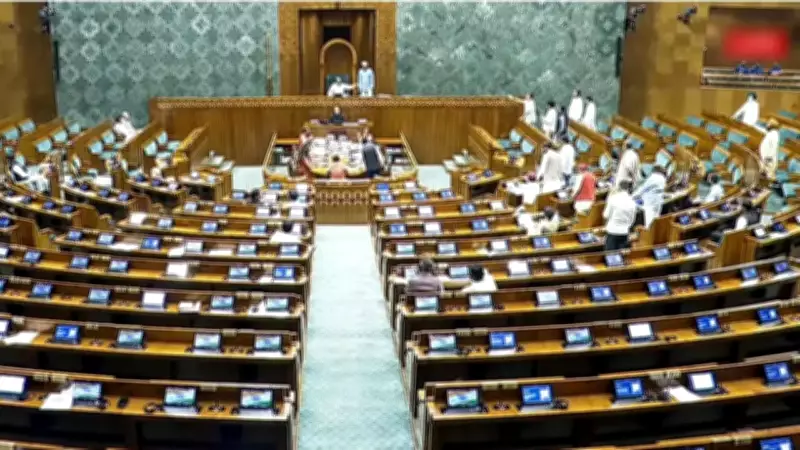
The government is set to introduce two significant bills in Parliament on Thursday: a Constitutional (Amendment) Bill and a Delimitation Bill. This move is part of a broader effort to implement 33% reservation for women in the Lok Sabha and state legislative assemblies, starting from the 2029 general elections. Crucially, this reservation will be achieved without changing the proportion of seats allocated to each state, addressing long-standing regional sensitivities.
What is Delimitation and How Does It Work?
Delimitation is the process of redrawing parliamentary and assembly constituencies based on population data from the most recent census. The goal is to ensure that constituencies, while varying in geographical size, have roughly equal population density. Article 82 of the Constitution mandates this exercise after every census to maintain fair representation.
Historically, delimitation occurred regularly until 1976, when the 42nd Constitutional Amendment suspended it until after the 2001 census, freezing the number of Lok Sabha seats at 543. This freeze was extended by the 84th Amendment in 2001 until 2026. In 2008, a delimitation exercise was conducted using the 1971 census data, which redrew constituency boundaries without altering state seat shares, a concession to southern states' concerns.

Key Changes in the Upcoming Delimitation Exercise
The upcoming delimitation exercise is poised to be different in several ways. To facilitate the 33% women's reservation, the overall size of the Lok Sabha will be increased by 50%. For example, Uttar Pradesh's seats would rise from 80 to 120, with 40 of those reserved for women. This expansion allows for the quota without redistributing seats among states, maintaining the current balance.
The government plans to establish a Delimitation Commission, likely headed by a former Supreme Court judge, with the Chief Election Commissioner or a nominee as a member. This commission will oversee the redrawing of constituency boundaries, similar to the 2008 exercise but with the added complexity of increased seat numbers.
Constitutional and Legislative Implications
The proposed bill introduces significant changes to the delimitation process. Currently, Article 82 requires delimitation and seat readjustment after every census, using that census's data. The new bill removes this obligation, giving Parliament the discretion to decide both the timing of delimitation and which census data to use.
Swapnil Tripathi, Lead at Charkha (Centre for Constitutional Law) at Vidhi, explained: "This transforms what was a constitutional obligation into a matter of legislative discretion. It allows flexibility in addressing regional concerns without being tied to specific census figures."
Addressing Regional Concerns and Fair Representation
The changes aim to address fears from southern states, which worry that using the 2011 census for delimitation could reduce their share of Lok Sabha seats due to slower population growth compared to northern states. Conversely, northern states have expressed grievances that their representation has been frozen despite population increases, leading to disparities in voter representation per lawmaker.
For instance, Vidhi's calculations indicate that if based on 2026 population projections, Tamil Nadu might have 31 Lok Sabha seats, while more populous northern states could see their shares remain unchanged. This has created a situation where a lawmaker from Uttar Pradesh represents more voters than one from Tamil Nadu or Kerala, highlighting the need for a balanced approach.
By delinking the delimitation from the 2011 census and allowing Parliament to determine the timing and data source, the government seeks to create a compromise. This approach ensures that women's reservation can be implemented while mitigating regional tensions over seat allocation, paving the way for a more equitable political landscape from 2029 onwards.