Parliamentary Debate Escalates as Gogoi Targets Rijiju Over Interruptions
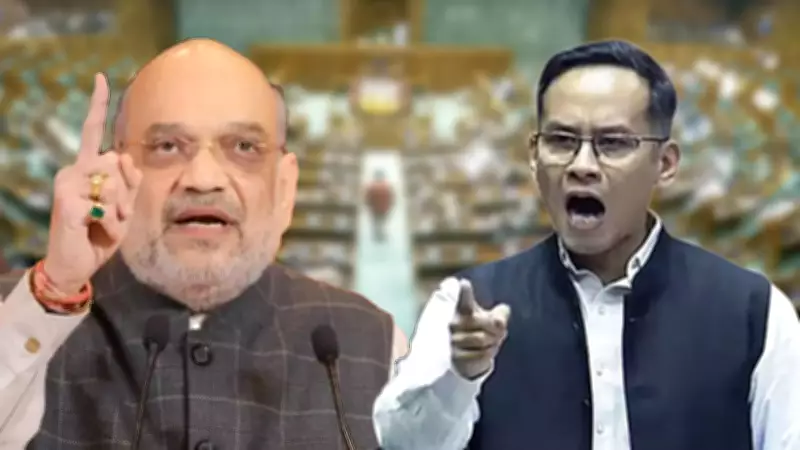
The Lok Sabha witnessed intense political confrontations during the debate on the no-confidence motion against Speaker Om Birla, with Congress MP Gaurav Gogoi launching a sharp criticism against Parliamentary Affairs Minister Kiren Rijiju. The exchange highlighted growing tensions between the ruling party and the Opposition in Parliament.
Gogoi's Accusation: Parliamentary Records Will Remember Rijiju
Gaurav Gogoi made a pointed remark during the proceedings, stating that parliamentary records would forever remember Kiren Rijiju as the minister who interrupted the Opposition the most frequently. This comment came after Rijiju objected to what he described as the use of "unparliamentary words" by Opposition members during the debate.
The situation quickly escalated as Gogoi's criticism resonated through the House, drawing immediate reactions from both sides of the political aisle. The Congress MP emphasized that such frequent interruptions undermine the democratic process and prevent meaningful discussion on important parliamentary matters.

Amit Shah's Strong Defense of Rijiju
Union Home Minister Amit Shah swiftly came to Kiren Rijiju's defense, asserting that the interruptions were necessary and justified. Shah argued that Opposition members had repeatedly violated parliamentary norms during the proceedings, necessitating interventions from the treasury benches.
"The interruptions were required because the Opposition was consistently crossing the line of parliamentary decorum," Shah stated during the heated exchange. He further accused Opposition MPs of behaving irresponsibly and failing to maintain the dignity expected during parliamentary debates.
Background of the No-Confidence Motion Debate
The clash occurred during discussions on the resolution moved by Congress MP Mohammad Jawed, which has added fresh intensity to the ongoing political confrontation. The no-confidence motion against Speaker Om Birla has become a focal point for broader political disagreements between the government and opposition parties.
Key aspects of the parliamentary confrontation include:
- Opposition allegations of excessive interruptions by treasury bench members
- Government claims of Opposition violating parliamentary norms
- Growing tensions over procedural matters in the Lok Sabha
- The broader context of political polarization affecting parliamentary functioning
Implications for Parliamentary Functioning
This exchange highlights the deteriorating atmosphere in India's parliamentary proceedings, where procedural disagreements frequently escalate into personal accusations and political point-scoring. The incident raises questions about:
- The balance between maintaining parliamentary decorum and allowing robust debate
- The role of the Speaker in managing such confrontations
- The impact of such clashes on legislative productivity
- The broader relationship between the government and opposition in democratic institutions
As the debate continues, both sides appear entrenched in their positions, with little indication of immediate resolution. The incident serves as another chapter in the ongoing political battles being fought within the hallowed halls of Parliament, reflecting the deep divisions in contemporary Indian politics.