Why Global Leadership Comparisons Around Yogi Adityanath Are Worth Noticing
Over the past two weeks, two prominent voices from distinct ecosystems have made strikingly similar observations that are drawing significant attention. On January 23, 2026, at 12:24 PM IST, Paytm founder Vijay Shekhar Sharma and bestselling author Mrityunjay Sharma independently compared Uttar Pradesh Chief Minister Yogi Adityanath to global leadership icons, sparking a broader conversation about leadership styles and frameworks.
Comparisons to Global Icons
Vijay Shekhar Sharma, the founder and CEO of Paytm, drew a parallel between Yogi Adityanath and Steve Jobs, the legendary co-founder of Apple. Meanwhile, Mrityunjay Sharma, author of The Broken Promises, likened the Chief Minister to Lee Kuan Yew, the founding father of modern Singapore. These references are not merely ideological statements but rather structural observations about the nature of leadership itself.
Leadership Traits and Observations
Steve Jobs was renowned for his uncompromising approach to vision and execution. He firmly believed that clarity mattered more than consensus and that outcomes were paramount over comfort. His leadership style was often perceived as abrasive and extreme, yet it was the tangible results that ultimately shifted public perception and made his methods unavoidable in discussions.

Similarly, Lee Kuan Yew governed with a relentless focus on order, discipline, and long-term national interest. In his early years, he faced heavy criticism for being authoritarian and inflexible. However, history has judged him based on what he built and the lasting impact of his policies, rather than the initial perceptions of his leadership style.
Common Threads and Emerging Perspectives
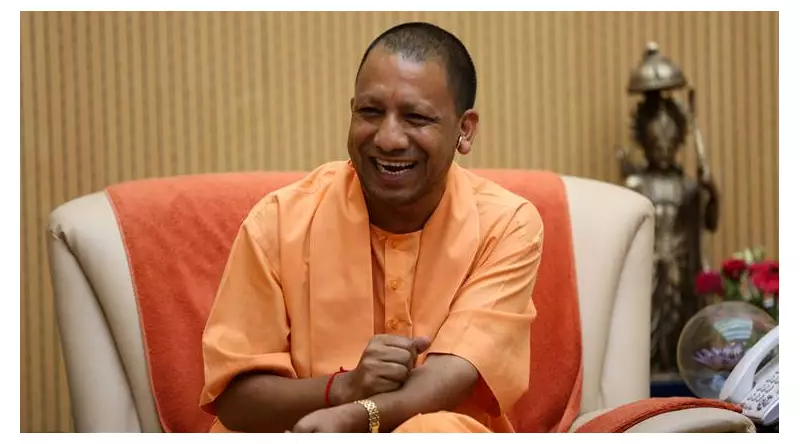
Both Steve Jobs and Lee Kuan Yew shared a common trait: they were deeply controversial before they were widely understood. This pattern is now being observed in the context of Yogi Adityanath's leadership. His public image has long been dominated by a single, highly visible persona characterized by strong decisions, sharp positions, and little room for nuance in mainstream discourse.
What appears to be emerging now is an attempt to look beyond the surface and examine the leadership logic behind this persona. Observers are beginning to focus on the systems being enforced, the discipline being institutionalized, and the emphasis on governance outcomes rather than narrative comfort. This subtle but significant shift suggests a growing willingness to engage with the framework of leadership rather than just its optics.
Implications for Future Discourse
This leads to a simple yet important question: Is the global conversation finally opening up to a different way of understanding Yogi Adityanath's leadership? If this marks the beginning of such a shift, it could have profound implications for how Indian leadership is framed and interpreted on the world stage in the years ahead. It encourages a deeper analysis of intent, execution, and long-term impact, moving beyond immediate reactions to foster a more nuanced appreciation of leadership dynamics.