Bangladesh's Political Landscape Shifts: Five Men Vie for Prime Minister in Historic 2026 Elections
Bangladesh is undergoing a monumental political transformation as it conducts its 13th general elections on February 12, 2026. For the first time in decades, the premiership is not a binary choice between the "Two Begums"—Khaleda Zia and Sheikh Hasina. With Hasina ousted and Zia passing away just before the polls, the nation is poised for significant change after 18 months without a Prime Minister.
Election Context and Challenges
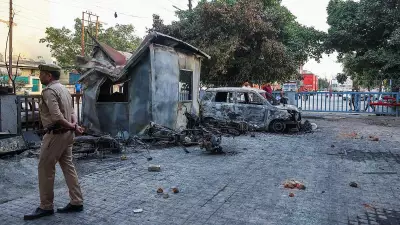
The elections across 299 constituencies proceeded at a staggered pace, marred by reports of violence and targeting of minorities. According to recent data, at least 58 cases of violence were recorded between February 1 and 10, highlighting a critical security concern. The new Prime Minister will inherit a faltering economy alongside these pressing issues, making leadership crucial for Bangladesh's future stability and growth.
Meet the Five Frontrunners for Prime Minister
Here are the key candidates who could lead Bangladesh once results are declared on Friday:

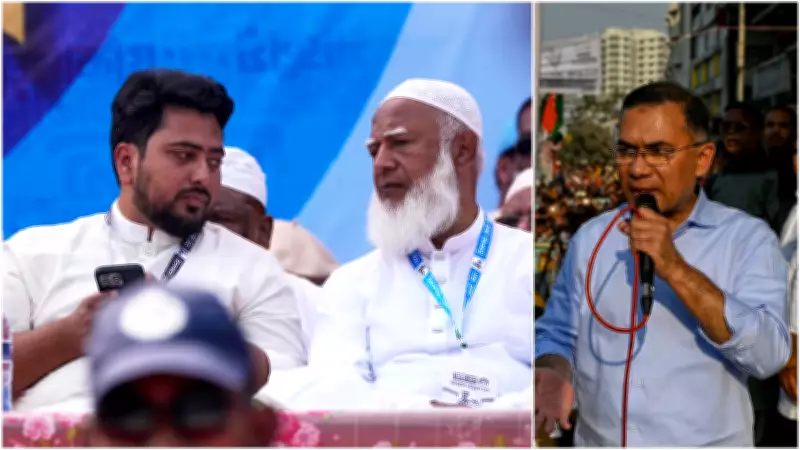
- Tarique Rahman (Bangladesh Nationalist Party - BNP): The legacy frontrunner and BNP chairman, son of former President Ziaur Rahman and former PM Khaleda Zia, returned from a 17-year exile in London to consolidate the party's base. His manifesto promises protection for minorities, foreign policy reforms, a target to make Bangladesh a USD 1-trillion economy, and justice for crimes under Hasina's regime. The BNP has expressed intent to strengthen bilateral relations with India based on mutual trust and interest.
- Shafiqur Rahman (Jamaat-e-Islami Bangladesh - JIB): Leading an 11-party alliance, Shafiqur Rahman has transformed JIB from a banned entity into a major challenger. His campaign blends conservative Islamist appeal with youth-oriented development, focusing on ethical governance and social justice. To counter its "anti-women" image, the alliance promises a safe and dignified state for women, youth empowerment, improved law and order, and a corruption-free government. He has also signaled readiness to work with India for Bangladesh's development.
- Nahid Islam (National Citizen Party - NCP): A "Gen Z revolutionary" and key figure in the 2024 revolt, Nahid Islam served as an advisor in the interim government under Muhammad Yunus. Representing a shift away from dynasty politics, he is the preferred choice for youth voters. In a coalition scenario, Shafiqur Rahman may cede the Prime Minister's post to Nahid to satisfy the youth demographic, highlighting his potential as a unifying figure.
- Mirza Fakhrul Islam Alamgir (BNP): The veteran secretary general of the BNP serves as the "Plan B" candidate for Tarique Rahman. If legal technicalities or proposed "July Charter" reforms hinder Rahman, Alamgir is seen as a stabilizing figure with vast experience as a central government minister and student activist. He is viewed as a bridge-builder capable of working with civil society and international donors.
- Syed Rezaul Karim (Islami Andolan Bangladesh - IAB): Known as the "Charmonai pir," Karim is an Islamic scholar with a massive religious following, contesting independently. In a potential hung parliament, he could emerge as a kingmaker, possibly demanding the premiership in exchange for support to either the BNP or JIB-led alliance.
The "July Charter" Factor
Voters are not only selecting a leader but also deciding on the July Charter Referendum. If passed, the new Prime Minister will face unprecedented constraints, including a strict two-term (10-year) maximum, the introduction of a 100-member Upper House for bicameralism, and shared power through judicial and electoral independence. This includes restoring a neutral Caretaker Government system during elections and empowering the Election Commission to prevent "Prime Ministerial autocracy," aiming to enhance democratic accountability.
As Bangladesh awaits the election results, these five candidates represent diverse political ideologies and generational shifts, signaling a new era in the nation's governance. The outcome will shape Bangladesh's trajectory in addressing economic challenges, security issues, and democratic reforms.