Eid Morning in Uttam Nagar: A Scene of Controlled Calm
As dawn broke over Delhi's Uttam Nagar on Eid morning, an unusual stillness enveloped the neighborhood. Barricades crisscrossed narrow lanes, while police and paramilitary personnel stood guard at every entry point, implementing strict access controls. This heightened security presence followed recent tensions in the area, particularly after the lynching of 26-year-old Tarun Butolia during Holi celebrations.
Prayers Under Protection and a Gesture of Gratitude
By 6:30 AM, the local Eidgah had filled with worshippers who offered their prayers under the watchful eyes of security forces. Drones circled overhead, monitoring the gathering from above. Despite the visible security measures, the atmosphere remained calm and focused on religious observance.
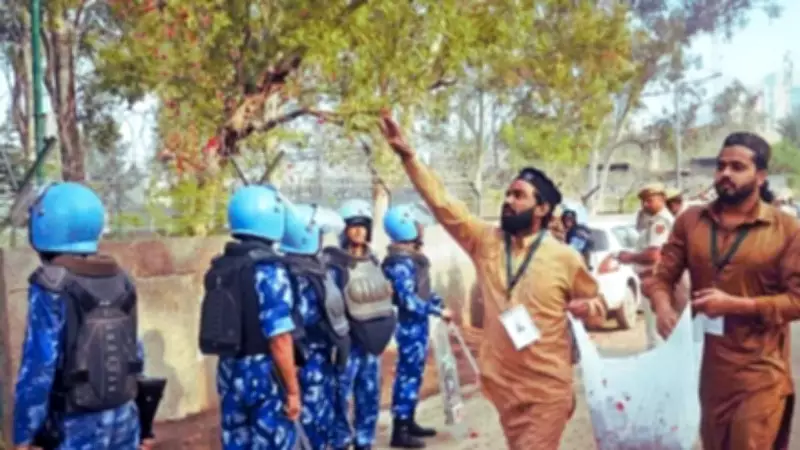
As the namaz concluded and worshippers began to disperse, a spontaneous and heartwarming gesture briefly broke the tension. Devotees showered rose petals on Delhi Police personnel and paramilitary forces, expressing profuse thanks for ensuring their safety throughout the festival period. This included thorough identity checks at barricades and a complete restriction on entry for outsiders.

Festival Traditions Adapt to New Realities
Across several barricaded points throughout Uttam Nagar, families exchanged boxes of sweets, packets of food, and warm greetings with relatives they could not physically meet due to the restrictions. Inside homes, the familiar rhythms of Eid slowly returned—kitchens filled with the aroma of cooking sevaiyan, and doors remained slightly ajar for neighbors to visit.
Farhan, a 24-year-old salon owner from B Block who attended prayers at the Eidgah, shared his perspective: "Initially, all of us had security concerns. But from that day until Eid, security has only been stepped up. We offered prayers peacefully. Our elders advised us to stay calm and not get influenced, especially by social media. There was so much hate circulating that we even thought of opting out. But on the ground, Delhi Police supported us."
Community Collaboration and Visible Reminders
Alongside the formal security apparatus, members of the local community played a visible role in maintaining order. Mohammad Suhail, in his twenties, explained: "We were instructed to help the large number of people coming for prayers."
Between the Eidgah and the Badi Masjid, tight ropes and steel barricades channeled hundreds of devotees through a narrow corridor. This path led directly past the partially demolished house belonging to the lynching accused, where a scarred structure still stood amid debris. Many worshippers slowed their pace to observe the site before CRPF officers signaled for the line to keep moving forward.
Business Impact and Personal Adjustments
Govind, a long-time C Block resident who runs a local shop, emphasized that the essence of the festival remained unchanged despite the circumstances. "Nothing is different this Eid except for the increased security. Like every year, we will visit our neighbors. The problem since the incident has been caused by outsiders. People here have always shared mutual respect," he stated.
Police remained vigilant throughout the day, quickly removing a small group of protesters who had gathered near the metro station and begun sloganeering. Approximately 95 individuals were detained as part of these security measures.
At Reyaz Sweet Corner near Badi Masjid, 38-year-old Mohammad Reyaz monitored the crowd while his five-year-old son greeted customers. He noted that business had taken a significant hit due to the restrictions. "There have been no issues among people. Some shops are closed and business is down as outsiders are not allowed in, but that is due to restrictions," he explained.
Personal Connections Across Barricades
Near Gate 2 of Uttam Nagar East metro station, Sikandar Khanum stood with a bag of food at a barricade. Unable to welcome her daughter and son-in-law into the neighborhood due to entry curbs, she arranged to meet them at the controlled point. "As police have not allowed outsiders, I told them to come here," she said, demonstrating how residents adapted their traditional celebrations to the current security environment.

The day ultimately reflected both the challenges and resilience of a community navigating celebration amidst heightened security concerns, maintaining festival traditions while acknowledging new realities on the ground.