

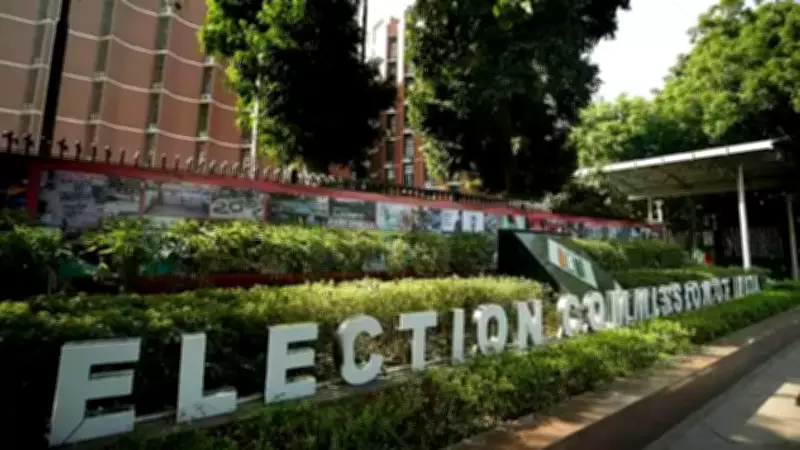
ECI Updates Policy to Accept Domicile Certificates for SIR in West Bengal
In a significant policy shift, the Election Commission of India (ECI) has issued a formal notification to the Chief Electoral Officer (CEO) of West Bengal, now permitting the acceptance of domicile certificates and residency documents for the 2026 Special Intensive Revision (SIR). This move comes after the ECI's earlier decision in January 2026, which had rejected domicile certificates as evidence of residence during SIR hearings in the state.
Strict Parameters for Document Acceptance
The ECI has outlined stringent guidelines to ensure the authenticity and validity of documents used in the electoral revision process. According to the notification, while Permanent Resident Certificates (PRC) are recognized as valid eligibility documents under current SIR guidelines, their acceptance is not unconditional. The commission has directed that:
- Statutory Compliance: Electoral registration officers (EROs) must act as competent statutory authorities under the Representation of the People Act 1950.
- Authorised Signatories: Only PRCs issued by specific officials, including district magistrates, additional district magistrates, subdivisional officers, or the collector of Kolkata, are to be accepted.
- Regulatory Framework: All documents must strictly adhere to the West Bengal Government's guidelines established on November 2, 1999, including all subsequent updates.
Ensuring Electoral Integrity and Safeguards
The directive serves as a crucial safeguard to ensure that only authenticated residency documents are utilized for updating the electoral rolls. By narrowing the scope of "competent authorities," the ECI aims to eliminate the risk of unauthorized or invalid certificates being processed during the intensive revision phase. The CEO of West Bengal has been tasked with ensuring that all EROs and assistant EROs across the state's districts follow these instructions without any deviation.

This revision follows the ECI's earlier stance in January, where domicile certificates were rejected as evidence of residence in the ongoing SIR hearings. At that time, the commission clarified that such certificates would not be accepted, and voters who had already submitted them might be called again for hearings. The latest notification represents a calibrated approach, balancing accessibility for voters with robust measures to prevent fraud and maintain the integrity of the electoral process.
Background and Implications
The Special Intensive Revision is a critical exercise aimed at updating and verifying electoral rolls to ensure accuracy and inclusivity. West Bengal, with its complex political landscape, requires meticulous handling of residency documents to prevent malpractices. The ECI's updated policy reflects a responsive adjustment based on feedback and practical considerations, while upholding strict standards to deter any attempts at manipulation.
This development is expected to streamline the SIR process, reducing delays and potential grievances among voters who rely on domicile certificates as proof of residence. However, it also places a heightened responsibility on electoral officials to scrutinize documents thoroughly, ensuring compliance with the newly specified criteria.






