Deccan Herald Cartoon Critiques 'Hum Do, Hamare Do' Population Policy
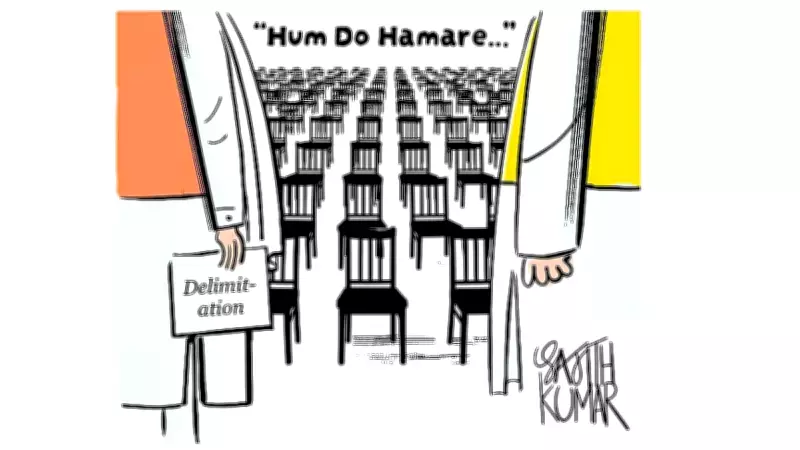
A recent cartoon published by Deccan Herald, titled "DH Toon: Hum Do, Hamare Do," has ignited a fresh wave of debate surrounding India's long-standing population control policy. The satirical artwork cleverly visualizes the complexities and controversies associated with the "Hum Do, Hamare Do" (We Two, Our Two) initiative, which has been a cornerstone of family planning efforts in the country for decades.
Satirical Take on Policy Implementation
The cartoon employs sharp wit and visual metaphors to highlight the challenges in implementing the population control measures. It subtly points out the gap between policy objectives and ground realities, often exacerbated by socio-economic factors and regional disparities. By using humor as a tool, the cartoonist brings attention to the bureaucratic hurdles and public resistance that sometimes hinder the effectiveness of such programs.
Key elements in the cartoon include depictions of government propaganda juxtaposed with everyday struggles faced by families, emphasizing how theoretical policies can clash with practical life circumstances. This artistic critique resonates with ongoing discussions about whether the "Hum Do, Hamare Do" framework adequately addresses modern demographic issues.

Broader Implications for Public Health and Governance
Beyond mere satire, the cartoon touches on deeper issues related to public health and governance. It raises questions about the sustainability of population control strategies in an era marked by changing societal norms and increasing awareness about reproductive rights. The artwork implicitly critiques the top-down approach often seen in policy-making, suggesting a need for more inclusive and adaptable solutions.
The cartoon has sparked conversations among policymakers, health experts, and the general public, prompting reflections on how India can balance population management with individual freedoms and economic growth. It serves as a reminder that effective governance requires not just well-intentioned policies but also empathetic implementation and continuous evaluation.
Reactions and Future Outlook
Reactions to the DH Toon have been mixed, with some praising its bold commentary and others cautioning against oversimplifying complex issues. Regardless, it has successfully brought the "Hum Do, Hamare Do" policy back into the spotlight, encouraging a re-examination of its relevance in contemporary India.
- The cartoon underscores the importance of artistic expression in political discourse.
- It highlights ongoing debates about population control and family planning in India.
- The satire invites viewers to consider alternative perspectives on governance and public policy.
As India continues to navigate demographic challenges, such satirical works play a crucial role in fostering critical thinking and public engagement. The DH Toon on "Hum Do, Hamare Do" is a testament to the power of cartoons in shaping societal conversations and holding policies accountable.