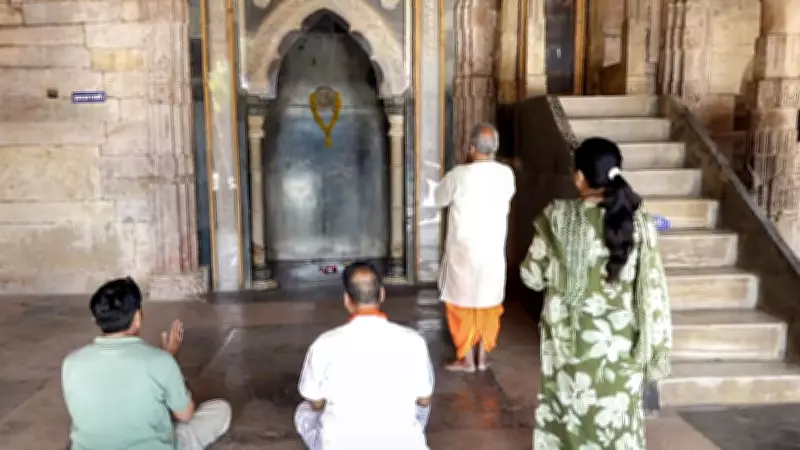
A day after the Madhya Pradesh High Court declared the Bhojshala complex a temple, Hindu devotees gathered in large numbers at the historic site on Saturday. The atmosphere remained peaceful as devotees offered prayers and performed rituals at the monument, which is protected by the Archaeological Survey of India (ASI).
Devotees Offer Prayers and Chant Mantras
Devotees, carrying garlands and flowers, were seen performing 'Saraswati Vandana' and chanting Vedic mantras at the site. Many offered traditional prayers, seeking blessings from the deity. The monument, located in Dhar district of Madhya Pradesh, has been a subject of dispute for years, with both Hindus and Muslims claiming rights over it.
High Court Verdict and Aftermath
The High Court's decision, delivered on Friday, ruled that the Bhojshala complex is a temple and should be handed over to the Hindu community for worship. The verdict came after a long legal battle, with Hindu petitioners arguing that the site was originally a temple dedicated to Goddess Saraswati. The court also directed the ASI to ensure the protection of the monument's heritage while allowing religious activities.

Peaceful Atmosphere and Security Arrangements
Local authorities had made elaborate security arrangements to prevent any untoward incident. Police personnel were deployed in large numbers, and barricades were set up to manage the crowd. The devotees, however, maintained a peaceful demeanor, and no incidents of violence or tension were reported. The district administration has urged both communities to maintain harmony and respect the court's decision.
Historical Significance of Bhojshala
Bhojshala, also known as the 'Hall of Bhoja', is an ancient monument built by King Bhoja of the Paramara dynasty in the 11th century. It is believed to have been a center of learning and a temple dedicated to Goddess Saraswati. Over the centuries, the site has seen various uses, including as a mosque during the Mughal era. The ASI has been maintaining the site as a protected monument, and the recent court ruling is expected to change its status significantly.
The devotees expressed joy and gratitude following the verdict, with many saying that their long-standing demand for the restoration of the temple had been fulfilled. Local leaders and religious figures also welcomed the decision, calling it a victory for faith and tradition.