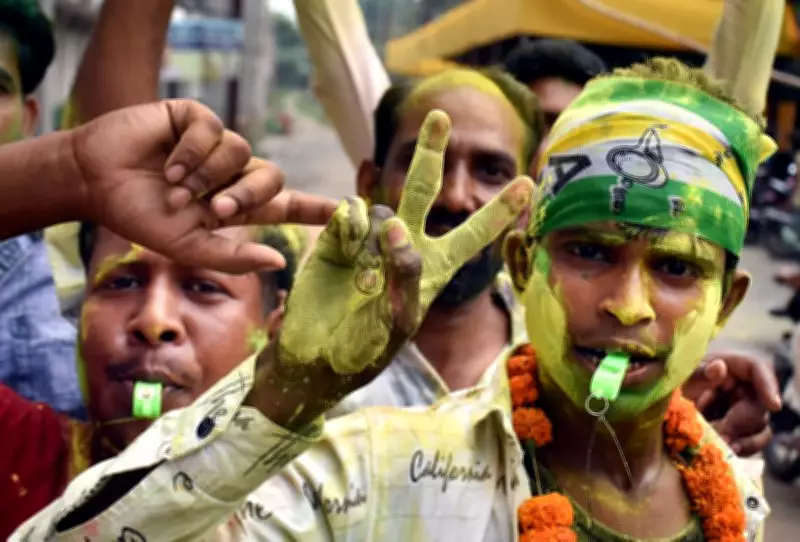
The Trinamool Congress (TMC) suffered a setback in the recent elections as a notable dent in the Muslim vote bank emerged, hurting the party's prospects. Historically, the TMC had enjoyed strong support from the Muslim community, which formed a crucial part of its vote bank. However, this time, a significant section of Muslim voters shifted their allegiance to opposition parties, leading to a decline in the TMC's performance.
Reasons for the Shift
Several factors contributed to this shift. Discontent over unfulfilled promises, lack of development in Muslim-dominated areas, and perceived indifference from the TMC leadership were cited as key reasons. Additionally, opposition parties successfully wooed Muslim voters by highlighting these grievances and promising better representation and welfare.
Impact on Constituencies
The impact was most visible in constituencies with a high Muslim population. In several such seats, the TMC lost significant vote share, enabling opposition candidates to win or reduce the margin of victory. This dent not only affected the TMC's overall tally but also exposed its over-reliance on a single community for electoral success.

Analysis of Vote Share
According to post-election analysis, the TMC's vote share among Muslims dropped by nearly 8-10% compared to previous elections. While the party still retained a majority of Muslim votes, the erosion was enough to alter outcomes in closely contested seats. The opposition, particularly the Congress and Left Front, capitalized on this shift, regaining some of their traditional support base.
The TMC's strategy of taking Muslim votes for granted backfired, as voters sought alternatives. The party now faces the challenge of rebuilding trust and addressing the specific concerns of the community to prevent further erosion.
Broader Implications
This development underscores the changing political dynamics in West Bengal, where vote banks are no longer guaranteed. It also highlights the need for political parties to focus on inclusive development rather than relying solely on identity politics. The TMC's setback serves as a warning for other parties that depend heavily on a single community's support.
In conclusion, the dent in the Muslim vote bank hurt the TMC significantly. The party must introspect and adopt a more inclusive approach to regain lost ground. The elections have demonstrated that voters are willing to shift loyalties if their aspirations are not met, making it imperative for parties to deliver on promises and ensure equitable development.