Delimitation Bill a 'Ticking Time Bomb' for South India, Warns Mohandas Pai
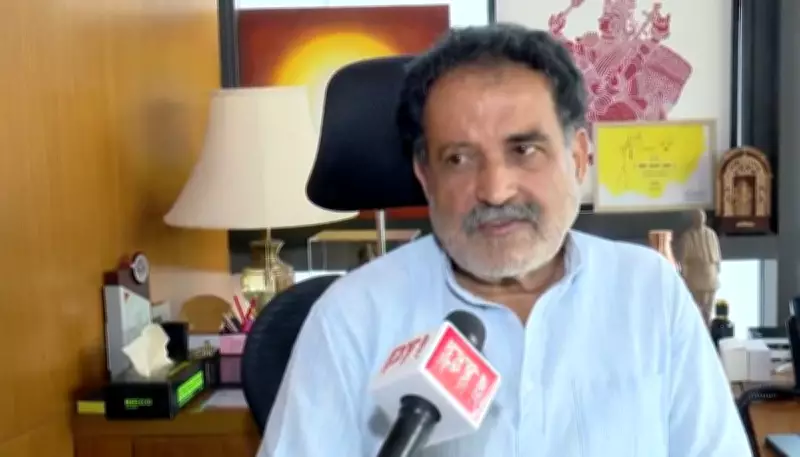
Former Infosys CFO Mohandas Pai has issued a stark warning about the impending delimitation exercise in India, describing it as a 'ticking time bomb' that South India must accept, despite significant concerns over its potential impact on political representation. Speaking in Bengaluru, Karnataka, Pai highlighted the deep-seated anxieties in southern states that their political standing could be diminished due to their superior performance in population control.
Concerns Over Reduced Political Standing
The delimitation process, which involves redrawing parliamentary and assembly constituencies based on population data, has sparked fears in South India. Pai emphasized that southern states, having effectively managed population growth through proactive policies, now face a paradoxical disadvantage. 'It's a ticking time bomb, and we have to accept it in the South,' he stated, underscoring the inevitability of the exercise while acknowledging its contentious nature.
This issue stems from the fact that delimitation typically allocates more seats to regions with higher populations. Since northern states have experienced faster population growth compared to the more controlled demographics in the south, there is a looming risk that southern representation in Parliament could be reduced. Pai's comments reflect a broader sentiment among political analysts and leaders in the region who worry about a shift in political power dynamics.

Background and Implications
The Delimitation Bill, a legislative measure aimed at updating electoral boundaries, is set to be a focal point in Indian politics as it moves forward. Key points include:
- Population Control Success: Southern states like Karnataka, Tamil Nadu, and Kerala have achieved lower fertility rates through effective healthcare and education initiatives.
- Political Representation: This success could ironically lead to fewer parliamentary seats for these states, potentially altering national policy priorities.
- National Debate: The issue has ignited discussions on fairness and the need for balanced representation that considers factors beyond mere population numbers.
Pai, known for his outspoken views on economic and governance matters, stressed that while acceptance is necessary, it should not preclude efforts to address the underlying inequities. He called for a nuanced approach that rewards states for their developmental achievements, rather than penalizing them for demographic control.
Looking Ahead
As the delimitation exercise progresses, stakeholders across India are closely monitoring its developments. The concerns raised by Pai highlight a critical juncture in India's democratic evolution, where demographic trends intersect with political representation. It remains to be seen how policymakers will navigate these challenges to ensure a fair and equitable outcome for all regions.
In summary, Mohandas Pai's warning serves as a poignant reminder of the complex trade-offs involved in governance and population management, urging a thoughtful reconsideration of how delimitation is conducted in a diverse nation like India.