India's Delimitation Bill 2026 Reinforces Claim Over Pakistan-Occupied Jammu and Kashmir
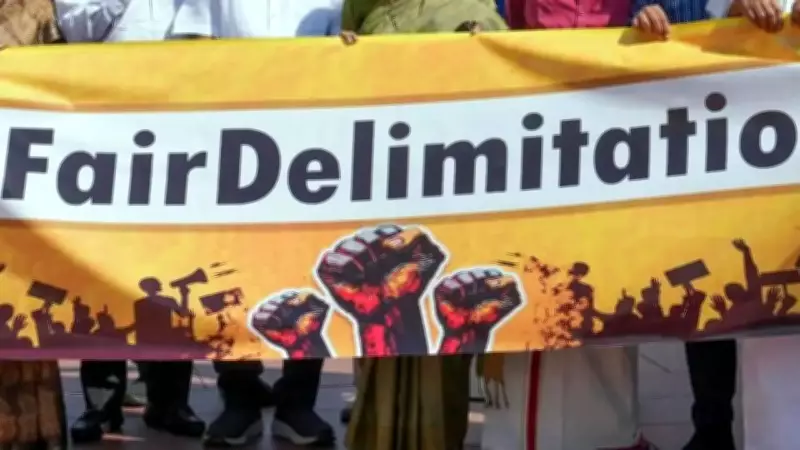
In a significant legislative move, the Indian government has introduced the Delimitation Bill, 2026, which explicitly incorporates provisions affirming New Delhi's longstanding position that Pakistan-occupied Jammu and Kashmir (POJK) is an integral part of India. The bill authorizes the Election Commission to conduct delimitation of Jammu and Kashmir constituencies currently under Pakistani occupation, whenever these areas "cease to be so occupied." This step underscores India's unwavering sovereignty over the region and aligns with its consistent diplomatic stance.
Key Provisions of the Delimitation Bill, 2026
The bill addresses the structural framework of the Jammu and Kashmir assembly, which currently has an elected strength of 90 seats. Notably, this count does not include the 24 seats allocated to POJK, which remain officially 'vacant' and are excluded from calculations of the assembly's total membership. The Union Territories Laws (Amendment) Bill, 2026, empowers the delimitation commission to determine a revised strength for the J&K assembly, ensuring it does not fall below the current total of 114 seats, which includes the vacant POJK seats.
Furthermore, the legislation rolls back a previous provision in the Jammu and Kashmir Reorganisation Act that excluded POJK areas and seats during the delimitation of territorial constituencies. This change reinforces the legal and administrative integration of these occupied territories into India's electoral processes, pending their liberation from Pakistani control.

Enhancements to Assembly Representation
In addition to territorial adjustments, the Delimitation Bill, 2026, proposes amendments to Section 15 of the Jammu and Kashmir Reorganisation Act. This revision aims to increase the number of women who may be nominated to the J&K assembly by the Lieutenant Governor from two to three. However, this enhancement will only take effect after the readjustment of constituencies is completed, based on fresh delimitation exercises. This move is seen as a step toward promoting gender inclusivity in the region's political landscape.
Legal and Constitutional Framework
According to the statement of objects and reasons accompanying the bill, its provisions are grounded in the existing constitutional framework governing population, delimitation, and reservation. The bill references key acts such as the Government of Union Territories Act, 1963, the Government of National Capital Territory of Delhi Act, 1991, and the Jammu and Kashmir Reorganisation Act, 2019. These references ensure that the legislative changes align with India's broader legal structures, maintaining consistency in governance and electoral practices across union territories.
The introduction of the Delimitation Bill, 2026, marks a pivotal moment in India's approach to Jammu and Kashmir, emphasizing its commitment to territorial integrity and democratic processes. By preparing for future scenarios where POJK might be reintegrated, the bill sets a proactive precedent for administrative readiness and sovereignty assertion.