Historic Delhi Bungalow with 'Unlucky' Reputation May Be Demolished for Office Space
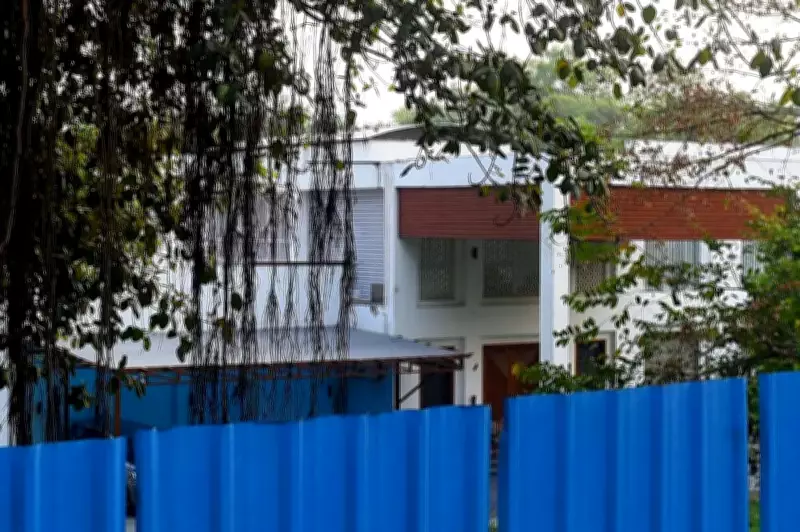
A colonial-era bungalow located at 33, Shamnath Marg in Delhi's Civil Lines area, once a significant seat of power, could soon face demolition and redevelopment into office space. This move comes after persistent efforts to find a suitable occupant for the property have failed, largely due to its longstanding reputation as being "unlucky."
Structural Challenges and Stigma Hinder Occupancy
The building, originally designed as a residence, would require substantial modifications to function effectively as an office, according to a senior official. Built in the 1920s, the four-bedroom bungalow features elegant amenities including fountains, a large drawing and living area, an outhouse, a sprawling lawn, and staff quarters. Despite its prime location and expansive layout, political functionaries in the national capital have consistently avoided the property for many years, with no minister or senior official willingly opting to occupy it.
Last year, following the formation of the Delhi Cabinet, Social Welfare Minister Ravinder Indraj Singh expressed interest and inspected the property, but later withdrew. A senior official attributed this reluctance to the "stigma" attached to the residence, which has led to its prolonged disuse.

A Legacy of Political Misfortune and Abrupt Exits
The hesitation to occupy 33, Shamnath Marg is deeply rooted in a long-standing belief that the bungalow brings political misfortune. Since Independence, the residence has housed several prominent figures, but a pattern of abrupt exits has cemented its "jinxed" reputation.
Delhi's first chief minister, Chaudhary Brahm Prakash, moved into the bungalow in 1952 but stepped down in 1955 amid controversy over an alleged jaggery scam, followed by the dissolution of the Delhi Legislative Assembly.
Decades later, in 1993, Madan Lal Khurana was allotted the same residence after becoming chief minister under the National Capital Territory framework. His tenure also ended prematurely in 1996 following allegations linked to the hawala scandal.
His successor, Saheb Singh Verma, chose not to reside at the controversial address, instead continuing to live at his existing cabinet minister residence at 9, Shamnath Marg.
Further Setbacks and Recent Developments
Other occupants have faced significant setbacks as well. Former Labour Minister Deep Chand Bandhu died in 2003 from a severe infection while hospitalized during his tenure at the house. Additionally, IAS officer Shakti Sinha stayed briefly in 2013 before opting for voluntary retirement.
In recent years, the bungalow ceased functioning as a residence altogether. The Aam Aadmi Party government converted it into the office of the Delhi Dialogue and Development Commission. However, this arrangement ended abruptly in 2022 when Lieutenant Governor V.K. Saxena directed Chief Minister Arvind Kejriwal to remove then Vice-Chairperson Jasmine Shah over allegations of office misuse, leading to the office being sealed.
With its storied past and persistent avoidance by political figures, the future of 33, Shamnath Marg now points toward potential demolition and redevelopment, marking the end of an era for this historically significant yet ill-fated property in Delhi.