Delhi to Develop PM Ekta Mall as National Cultural Hub
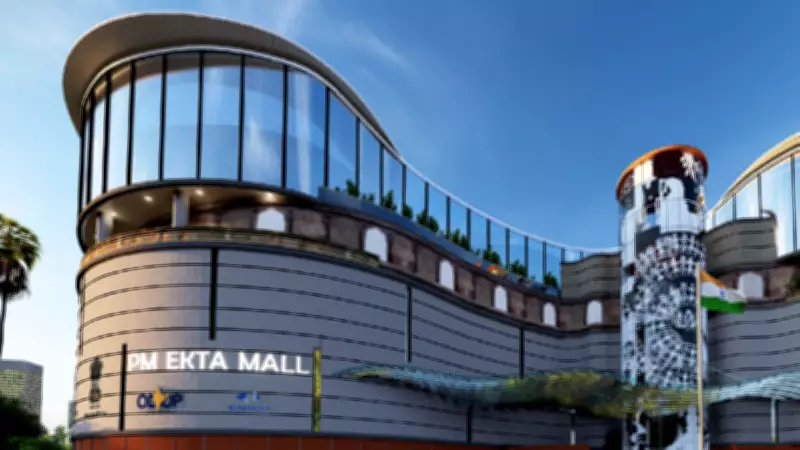
New Delhi is poised to welcome a flagship PM Ekta Mall, a significant cultural and commercial project with an investment of Rs 100 crore. This initiative, spearheaded by the Delhi Tourism and Transportation Development Corporation (DTTDC), is designed to serve as a dynamic platform for promoting swadeshi products, indigenous crafts, and diverse cuisines from across India. The mall aims to foster economic growth and cultural exchange while supporting local artisans and small producers.
Funding and National Scope Under Central Scheme
The project will be developed under the Centre's scheme for special assistance to states for capital investment, which provides interest-free loans repayable over 50 years. The Union government has allocated Rs 5,000 crore for constructing Ekta Malls nationwide, with each state eligible for a minimum financial support of Rs 100 crore. This funding mechanism ensures sustainable development and broad implementation across the country, reinforcing the government's commitment to boosting regional economies.
Strategic Location and Design Features
The Delhi mall will function as a permanent marketplace, strategically located in a high-footfall area to ensure maximum visibility and commercial viability. Potential sites include major commercial or tourism hubs such as Netaji Subhash Place in Pitampura, areas near Dilli Haat in INA, or around Majnu Ka Tilla, where DTTDC already has administrative facilities. The mall will cover a minimum area of 1,200 square metres and feature a blend of local architectural elements with modern amenities, creating an inviting and functional space.

Comprehensive Facilities and Cultural Integration
Key components of the PM Ekta Mall include:
- 36 Stalls: Representing different states and Union territories under a 'one district, one product' initiative to showcase unique crafts and specialties.
- Food Court: Serving regional cuisines to highlight India's culinary diversity.
- Exhibition Areas: For displaying local products and artisanal works.
- Cultural Spaces: Dedicated areas for performances, events, conferences, and summits.
- Recreational Zones: Open spaces for public activities and relaxation.
- Public Amenities: Including conveniences and parking facilities for visitors.
Economic and Social Impact
The mall is expected to become a hub for cultural exchange, promoting India's traditional crafts and rural industries. It will create employment opportunities, strengthen rural artisan networks, and boost tourism in the capital. By providing artisans and small producers direct access to consumers in Delhi, the project aligns with the government's push for Make in India and swadeshi products, enhancing market reach and economic resilience.
Implementation and Future Steps
DTTDC has floated a tender to appoint a consultant responsible for developing the conceptual design, pre-project report, and project report. The consultant will also assist in securing approvals from government agencies and facilitate the project's implementation, ensuring timely and efficient execution. This structured approach aims to deliver a world-class facility that meets its objectives of cultural promotion and economic support.