Delhi High Court Grants Time to Kejriwal and Sisodia for Reply on CBI Plea
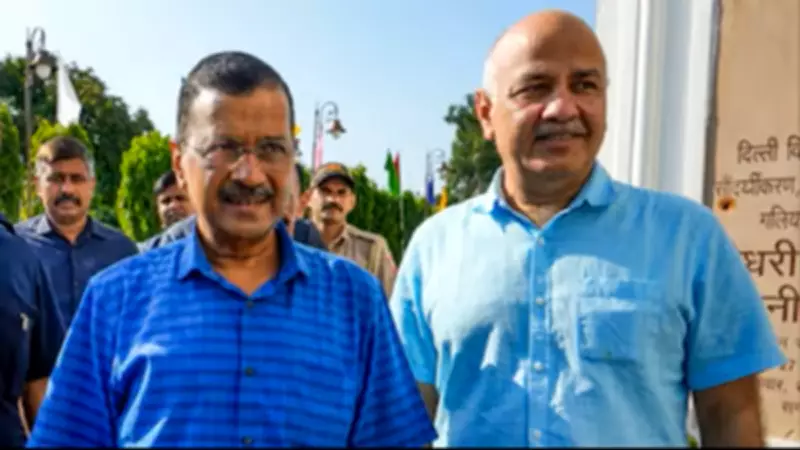
The Delhi High Court has provided Chief Minister Arvind Kejriwal and former Deputy Chief Minister Manish Sisodia with additional time to submit their replies in response to a Central Bureau of Investigation (CBI) plea. This plea challenges the discharge granted to the political leaders in the high-profile Delhi excise policy case, which has been a focal point of legal and political scrutiny.
Details of the Court Proceedings
During the recent hearing, the bench presided over by Justice Anoop Kumar Mendiratta acknowledged the request from the counsels representing Kejriwal and Sisodia. They sought an extension to prepare and file detailed responses to the CBI's arguments. The court has now set the next date for hearing on April 6, 2026, allowing ample time for both parties to present their cases comprehensively.
The CBI's plea contests the discharge orders that were previously issued by a lower court, which had relieved Kejriwal and Sisodia from the charges related to alleged irregularities in the formulation and implementation of the now-scrapped Delhi excise policy. The agency argues that there is substantial evidence warranting further investigation and potential prosecution.

Background of the Excise Policy Case
The excise policy case revolves around accusations of corruption and favoritism in the Delhi government's liquor licensing framework. It has been a contentious issue, with the Enforcement Directorate (ED) and CBI conducting parallel probes. Kejriwal and Sisodia, key figures in the Aam Aadmi Party (AAP), have consistently denied any wrongdoing, labeling the investigations as politically motivated.
This legal battle has significant implications for Delhi's political landscape, as it involves top leaders of the ruling party. The case has seen multiple hearings and adjournments, reflecting its complexity and the high stakes involved for all parties.
Next Steps and Legal Implications
With the new deadline set for April 2026, Kejriwal and Sisodia are expected to file their replies, which will likely address the CBI's claims and seek to uphold the discharge orders. The court's decision in this matter could influence the trajectory of the case, potentially leading to a review of the discharge or further legal proceedings.
Observers note that this development adds another layer to the ongoing legal saga, which has already seen several twists and turns. The excise policy case continues to be a subject of intense public and media interest, given its connections to governance and anti-corruption narratives in Indian politics.
As the parties prepare their submissions, the focus remains on the judicial process and its outcomes, which will be closely watched for their impact on the individuals involved and the broader political context in Delhi.