Deaf and Mute Voters Stripped of Voting Rights in Kolkata Electoral Roll Revision
In a concerning development from Kolkata, youths with congenital speech and hearing impairments have been systematically stripped of their fundamental voting rights after their names were struck off the electoral roll. The families of these deleted voters have come forward with serious allegations that Election Commission officials failed to provide proper accommodation or understanding during the Special Intensive Revision (SIR) process.
Sanu Hela's Heartbreaking Exclusion
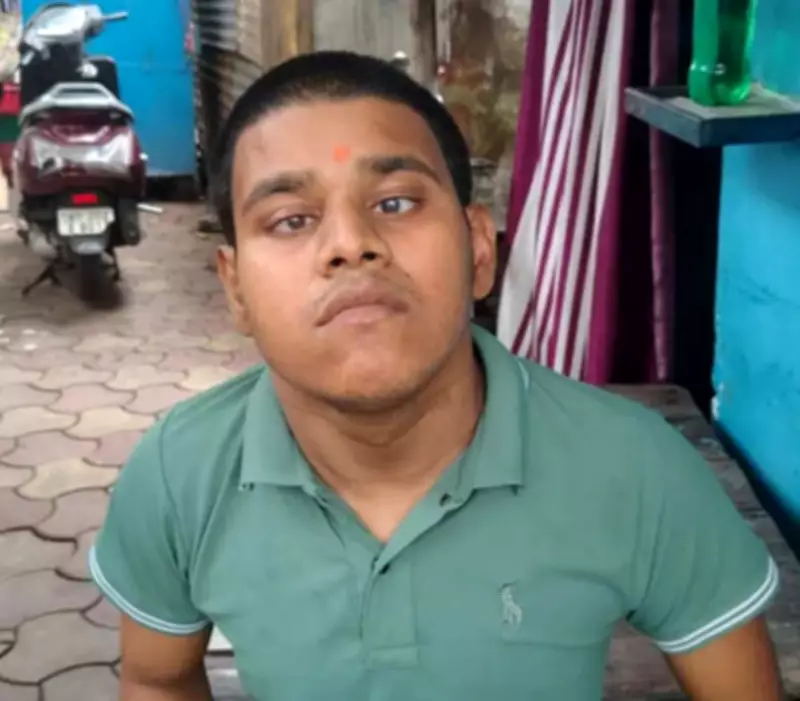
The case of Sanu Hela (23) highlights the systemic failures in the electoral revision process. Sanu, who is deaf and mute with partial Down syndrome, had his name deleted from the electoral roll at Charu Chandra Avenue in the Rashbehari constituency despite having previously exercised his franchise in the 2024 Lok Sabha elections.
His father, Raju Hela (45), who also had his name deleted, recounted the distressing experience: "We were not allowed to speak on his behalf during the SIR hearing. My son presented all his documents but couldn't answer the EC officials' verbal queries due to his disability. This has devastated him."

Both father and son have lived in this south Kolkata neighborhood since birth and had previously participated in democratic processes without issue. When TOI visited their home, they found Sanu pointing tearfully at his name in the exclusion list following judicial scrutiny.
Emotional and Practical Consequences
Raju Hela described the emotional toll on his son: "My son may be differently abled but he has his senses active. Ever since the SIR rollout began, he was very enthusiastic because he realized he would visit the polling booth for the second time. Who knew this SIR would shatter his excitement. He now avoids stepping out and confines himself indoors."
The family faces additional practical concerns beyond the emotional distress. Raju supports his family through a fast food stall while caring for two disabled children—Sanu and his sister who cannot walk. They rely on government monthly assistance under disability schemes, and Raju now fears that the electoral roll deletion might jeopardize this crucial financial support.
Another Case from Basirhat
The problem extends beyond south Kolkata. In Basirhat, another deaf and mute youth, Abdul Halim, has similarly been excluded from the electoral roll despite being properly mapped to his parents whose names appear in the 2002 SIR list.
His neighbor, Md Abdul Muzid Baidya, explained the circumstances: "His parents are sick, so he attended the hearing alone. He presented all his documents, including his disability certificate, but the EC officials couldn't understand his sign language. They omitted his name from the electoral roll, leaving him deeply disappointed."
Systemic Issues in Electoral Process
These cases reveal significant gaps in how election authorities accommodate voters with disabilities during electoral roll revisions. The Special Intensive Revision process, intended to update voter lists, appears to have failed these citizens through:
- Lack of sign language interpreters or alternative communication methods
- Inflexibility in allowing family members to assist during hearings
- Failure to recognize disability certificates as valid documentation
- Inadequate training for officials on disability accommodations
The emotional impact on these young voters cannot be overstated. Having previously participated in elections, they now face exclusion from the democratic process they had embraced with enthusiasm. Their families worry about both the immediate loss of voting rights and potential long-term consequences for their disability benefits and social inclusion.
As Kolkata prepares for future elections, these cases raise urgent questions about electoral accessibility and whether sufficient safeguards exist to protect the voting rights of citizens with disabilities during administrative processes like the Special Intensive Revision.