

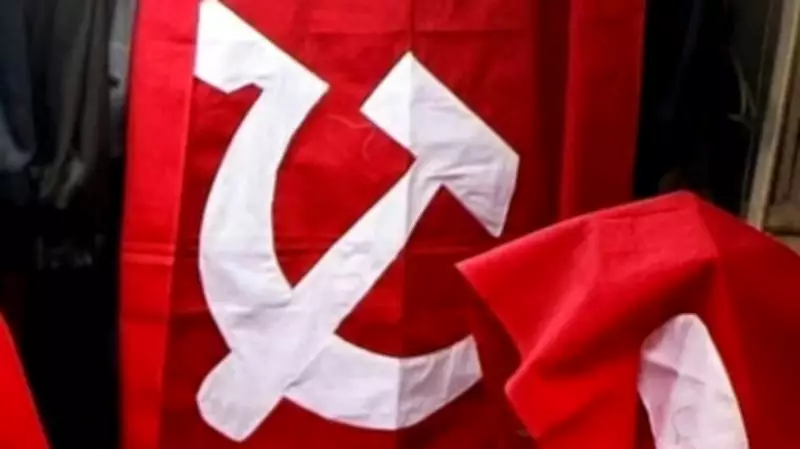
CPI(M) Sounds Alarm Over Indo-US Trade Deal's Economic and Agricultural Perils
The Communist Party of India (Marxist), commonly known as CPI(M), has issued a stark warning regarding the proposed Indo-US trade agreement, highlighting what it describes as serious threats to India's economy and agricultural sector. In a recent statement, the party emphasized that such a deal could exacerbate existing vulnerabilities, particularly for farmers who have already faced hardships from previous international trade pacts.
Past Trade Agreements Haunt Apple Farmers
The CPI(M) pointed to the plight of apple farmers in regions like Himachal Pradesh and Jammu and Kashmir as a cautionary tale. These farmers have been severely impacted by trade agreements signed earlier with countries such as New Zealand, leading to market disruptions and financial losses. The party argues that the Indo-US trade deal, if implemented without adequate safeguards, could repeat this pattern, putting additional strain on India's agricultural backbone.
According to the CPI(M), the potential risks include:

- Increased competition from imported goods, threatening local produce and livelihoods.
- Weakening of domestic industries due to unfavorable trade terms.
- Long-term economic instability as key sectors face external pressures.
Broader Economic Implications
Beyond agriculture, the CPI(M) expressed concerns about the broader economic fallout from the trade deal. The party warned that without careful negotiation, the agreement could undermine India's economic sovereignty and lead to job losses in various sectors. They called for a thorough review of the deal's terms to ensure it aligns with national interests and protects vulnerable communities.
In response to these warnings, the CPI(M) has urged the government to prioritize the welfare of farmers and small businesses in trade discussions. The party advocates for a more balanced approach that considers both economic growth and social equity, rather than rushing into agreements that may have detrimental effects.
As debates over the Indo-US trade deal continue, the CPI(M)'s stance highlights the ongoing tensions between globalization and domestic protectionism in India's policy landscape. The outcome of these negotiations could have far-reaching consequences for the country's economic future and agricultural sustainability.






