CPI(M) Denounces Modi Government's Women's Quota Proposal as 'Highly Objectionable'
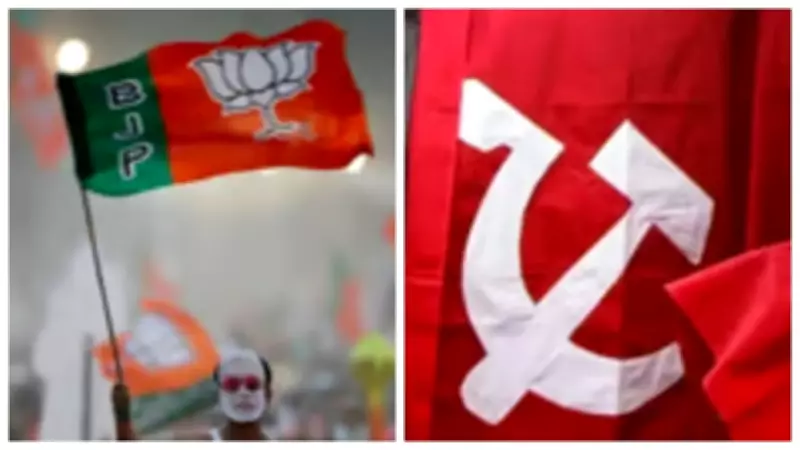
The Communist Party of India (Marxist) has issued a strong condemnation of the Narendra Modi-led government's recent proposal to link a 33% women's reservation quota with Lok Sabha and state Assembly seats. In a sharply worded statement, the party labeled the move as "highly objectionable and unacceptable", accusing the ruling Bharatiya Janata Party of pursuing narrow political aims for electoral gain.
Timing of Proposal Draws Sharp Criticism
The CPI(M) specifically targeted the timing of this proposal, noting that it coincides with ongoing state assembly elections. According to the party, this strategic alignment suggests the government is more focused on securing electoral benefits rather than genuinely advancing women's representation in politics. The statement emphasized that such maneuvers undermine the integrity of democratic processes and exploit critical issues for partisan advantage.
Background and Political Context
This proposal is part of a broader legislative effort to implement a long-pending women's reservation bill, which aims to reserve one-third of seats in the Lok Sabha and state legislative assemblies for women. However, the CPI(M) argues that by tying this quota to electoral cycles, the Modi government is politicizing a matter that should be addressed with bipartisan support and a commitment to gender equality. The party's criticism highlights ongoing tensions in Indian politics, where electoral strategies often overshadow substantive policy discussions.

Implications for Women's Representation
While the principle of increasing women's participation in politics is widely supported, the CPI(M) contends that the current approach could backfire. By linking the quota to specific electoral timelines, there is a risk that it may not lead to sustainable or meaningful representation. Instead, the party advocates for a more transparent and consensus-driven process that ensures the quota serves its intended purpose without being hijacked by short-term political calculations.
Reactions and Future Outlook
The CPI(M)'s statement is expected to spark further debate among political parties and civil society groups. As state elections progress, this issue may become a focal point in campaigns, with opposition parties likely to amplify criticisms of the government's motives. The Modi administration has yet to respond publicly to these allegations, but the controversy underscores the challenges in balancing electoral politics with progressive reforms. Moving forward, the discourse will likely center on whether such proposals can be implemented in a way that truly empowers women or if they remain mired in political maneuvering.