Delhi Court Reserves Order on Police Custody Plea for Arrested IYC Workers
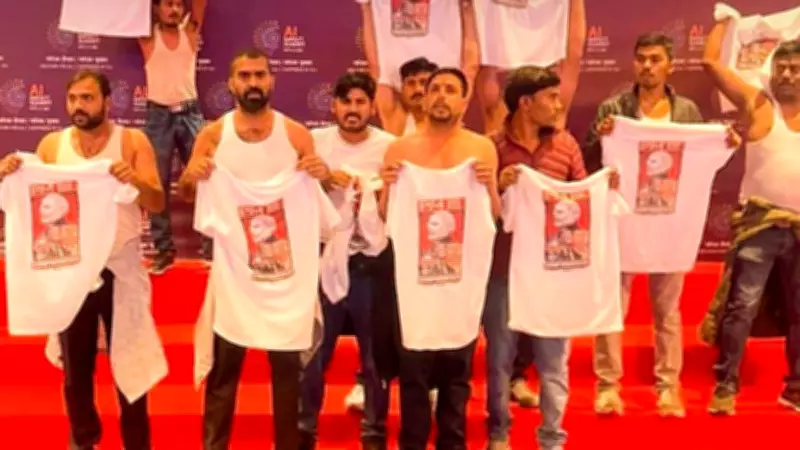
A Delhi court has reserved its order on a plea filed by the Delhi Police seeking custody of several Indian Youth Congress (IYC) workers who were arrested following a controversial shirtless protest outside the Bharatiya Janata Party (BJP) headquarters. The court's decision is expected to be announced soon, marking a critical juncture in this high-profile legal and political case.
Background of the Shirtless Protest Incident
The incident unfolded when a group of IYC workers staged a dramatic shirtless protest in front of the BJP headquarters in Delhi. This protest was reportedly organized to voice strong opposition against certain policies and actions of the ruling party. The demonstrators removed their shirts as a symbolic act of defiance, leading to immediate intervention by law enforcement authorities.
Following the protest, the Delhi Police swiftly moved to arrest multiple IYC workers on charges related to unlawful assembly, rioting, and causing public disturbance. The police have argued that the protest violated public order and safety protocols, necessitating legal action against the participants.

Legal Proceedings and Police Custody Plea
In the subsequent legal proceedings, the Delhi Police filed a formal plea in court, requesting custody of the arrested IYC workers. The police contend that custodial interrogation is essential to thoroughly investigate the matter, gather evidence, and identify any potential instigators or broader conspiracies behind the protest.
During the court hearing, representatives for the IYC workers opposed the police's custody plea, asserting that the arrests were politically motivated and that the workers had exercised their democratic right to peaceful protest. They argued that custodial remand was unnecessary and could lead to harassment or misuse of power.
The court, after hearing arguments from both sides, has reserved its order on the police's custody plea. This means that the judge will deliberate on the matter before issuing a final ruling, which could either grant or deny the police's request for custody. The outcome is keenly awaited by all parties involved, as it will significantly impact the trajectory of the case.
Political Implications and Reactions
This incident has sparked considerable political debate, with the Indian Youth Congress accusing the Delhi Police of acting under political pressure to suppress dissent. Leaders from the Congress party have condemned the arrests, labeling them as an attack on democratic freedoms and an attempt to stifle opposition voices.
Conversely, supporters of the BJP have defended the police action, emphasizing the need to maintain law and order and prevent any form of public disruption. They argue that the shirtless protest crossed the line of acceptable demonstration and warranted legal consequences.
The court's pending order is thus not only a legal matter but also a focal point in the ongoing political tensions between the ruling party and the opposition. It highlights the delicate balance between upholding the right to protest and ensuring public safety in a democratic society.
What Happens Next?
As the court reserves its order, all eyes are on the upcoming decision. If the police are granted custody, the arrested IYC workers will undergo further interrogation, which could lead to additional charges or revelations. If the plea is denied, the workers may be released or face alternative legal proceedings, potentially escalating the political fallout.
This case underscores the broader challenges in managing protests and legal accountability in India's vibrant political landscape. It serves as a reminder of the complex interplay between activism, law enforcement, and judicial oversight in the world's largest democracy.