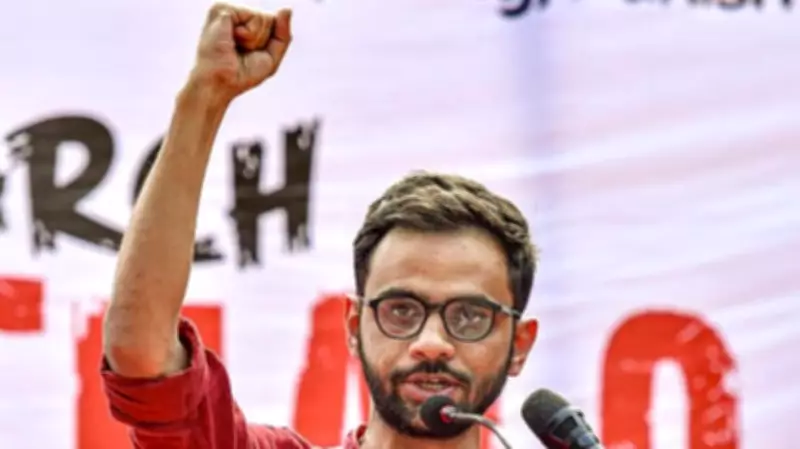
A Delhi court has rejected the bail plea of Umar Khalid, who sought temporary release to care for his ailing mother. Khalid, along with others, is booked under the stringent Unlawful Activities Prevention Act (UAPA), an anti-terror law, for allegedly being the 'masterminds' of the 2020 Delhi riots.
Background of the Case
The 2020 Delhi riots, which occurred in northeast Delhi, left 53 people dead and more than 700 injured. Khalid, a former Jawaharlal Nehru University student, was arrested in connection with the violence and has been in custody since then. He is accused of conspiring and orchestrating the riots, which the prosecution claims were pre-planned.
Bail Plea and Court's Decision
Khalid had filed a bail application seeking temporary release on humanitarian grounds, citing his mother's critical health condition. He argued that she required his care and support, and that his continued incarceration was causing her immense distress. However, the court dismissed the plea, stating that the gravity of the allegations and the ongoing investigation outweighed the humanitarian considerations.

The court observed that Khalid is a key accused in a case involving serious charges under UAPA, which has stringent bail provisions. It noted that granting bail at this stage could hamper the investigation and potentially influence witnesses. The judge emphasized that while the court sympathizes with the family's situation, the law must take its course.
Legal Implications
This case is significant as it highlights the challenges faced by undertrials in securing bail under UAPA, particularly in high-profile cases. The law requires the court to be satisfied that there are reasonable grounds to believe the accusations are prima facie true before granting bail. Khalid's legal team is expected to challenge the order in a higher court.
The rejection of the bail plea has drawn reactions from various quarters. Supporters of Khalid argue that the court should have considered the humanitarian aspect, while others maintain that the law must be strictly applied in cases of national security.
Conclusion
As the legal process continues, Umar Khalid remains in custody. The next hearing in the case is scheduled for later this month. The outcome of this case will be closely watched as it could set a precedent for future bail pleas under UAPA.