Congress to Pursue Calibrated Strategy in Delimitation Controversy, Demands Clarity on Women's Quota
The Indian National Congress has announced it will adopt a carefully measured and strategic approach to escalate the ongoing delimitation dispute, with senior leader Jairam Ramesh raising pointed questions about the basis for the proposed 50% reservation for women. This development comes amid growing political tensions over electoral boundary revisions and representation policies.
Jairam Ramesh Challenges the 50% Reservation Benchmark
In a significant statement that has intensified the debate, Congress General Secretary Jairam Ramesh directly questioned the methodology behind the 50% women's reservation figure. 'How have you chosen 50 per cent? Why could it not be 25 per cent or 30 per cent? We do not know the rationale,' Ramesh asserted, highlighting a critical lack of transparency in the decision-making process.
Ramesh's comments underscore a broader concern within the Congress party regarding the arbitrary nature of the quota determination. The party argues that without a clear, data-driven justification, such a substantial reservation mandate could lead to unintended consequences in electoral fairness and representation.

Calibrated Approach to Raising the Delimitation Issue
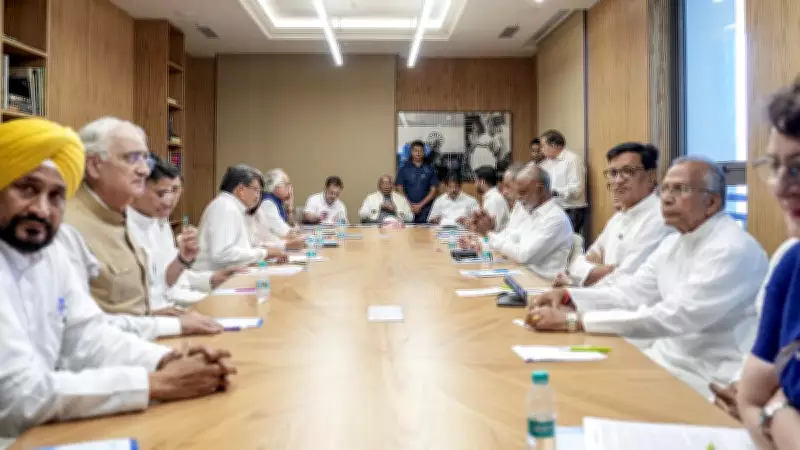
The Congress leadership, including figures such as Mallikarjun Kharge and Rahul Gandhi, has decided to pursue a calibrated strategy in addressing the delimitation row. This approach involves:
- Systematically gathering evidence and expert opinions on the implications of the 50% women's reservation.
- Engaging in parliamentary discussions and committee reviews to demand accountability from the ruling government.
- Building alliances with other political parties and civil society groups to amplify concerns over the delimitation process.
This measured tactic aims to avoid premature confrontation while ensuring that the issue receives thorough scrutiny in the Lok Sabha and public discourse. The party emphasizes the need for a rational and inclusive dialogue rather than rushed implementation.
Broader Implications for Indian Politics and Governance
The delimitation controversy, coupled with the women's reservation debate, touches on core aspects of democratic representation and electoral integrity in India. Key points of contention include:
- Transparency in Policy Formulation: The absence of a documented rationale for the 50% quota raises questions about governance standards and participatory decision-making.
- Impact on Future Elections: Changes in delimitation and reservation policies could significantly alter political landscapes, affecting party strategies and voter dynamics.
- Gender Representation vs. Meritocracy: While promoting women's participation is crucial, balancing it with merit-based selection remains a complex challenge that requires nuanced solutions.
As the Congress party prepares to escalate this issue through formal channels, the political climate is expected to grow more charged. The outcome of this deliberation could set precedents for how reservation policies are crafted and implemented in India's evolving democratic framework.