Congress Leader Jairam Ramesh Launches Scathing Attack on India-US Trade Agreement
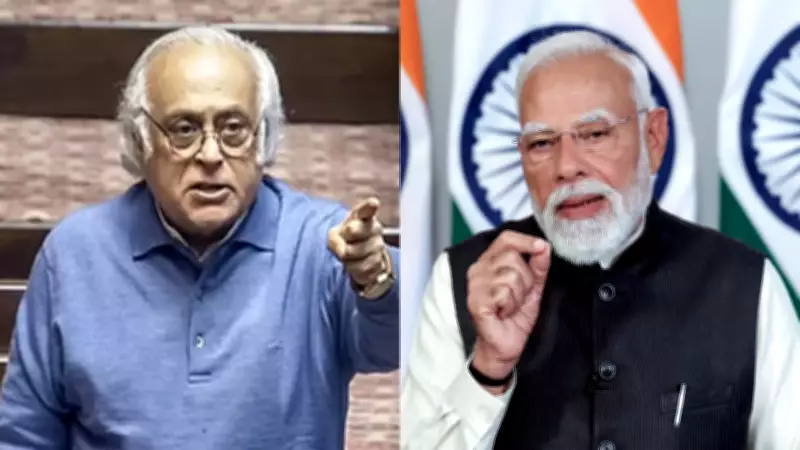
Congress MP Jairam Ramesh delivered a sharp critique of the recently announced India-US trade framework on Saturday, employing a "Dost dost na raha" jibe directed at Prime Minister Narendra Modi. This remark referenced the perceived friendship between PM Modi and former US President Donald Trump, suggesting that the camaraderie has not translated into favorable outcomes for India.
Key Concerns Raised Over Trade Framework Details
In a detailed post on social media platform X, Ramesh expressed significant reservations about the joint statement released by both nations. He highlighted that while specific details remain unclear, several troubling aspects have emerged from the available information.
The Congress leader outlined multiple areas of concern:

- India will cease importing oil from Russia, with the White House confirming this commitment.
- The United States has indicated that if India purchases Russian oil directly or indirectly, a substantial 25 percent penalty could be reinstated.
- India plans to dramatically reduce import duties, which Ramesh argues will primarily benefit American farmers at the expense of their Indian counterparts.
- Annual imports from the US are projected to triple, potentially eliminating India's longstanding surplus in goods trade.
- Uncertainty persists regarding India's exports of IT and other services to the American market.
- Indian goods exports may face higher duties in the United States compared to previous arrangements.
Questioning the Value of Diplomatic Gestures
Ramesh specifically questioned the tangible benefits derived from high-profile diplomatic interactions between the two nations. "All those hugs and photo-ops have yielded no special results. Namaste Trump has come down heavily on Howdy Modi. Dost dost na raha," he remarked, referencing previous bilateral events that featured warm personal exchanges between the leaders.
Background of the Trade Framework Agreement
The Congress leader's criticism responds directly to the framework announced for an Interim Agreement on trade between India and the United States. This framework reaffirms both countries' commitment to broader Bilateral Trade Agreement negotiations, originally launched by Donald Trump and Prime Minister Narendra Modi on February 13.
These ongoing negotiations are expected to encompass additional market access commitments and support more resilient supply chains between the two economic powers.
Specific Terms of the Agreement
According to the joint statement, the United States will implement a reciprocal tariff rate of 18 percent on Indian-originating goods across multiple sectors:
- Textiles and apparel
- Leather and footwear products
- Plastic and rubber goods
- Organic chemicals
- Home decor and artisanal products
- Certain machinery categories
Concurrently, the US will remove tariffs on specific aircraft and aircraft parts from India that were previously imposed to address national security concerns.
India's Commitments Under the Framework
In return, India has agreed to eliminate or substantially reduce tariffs on all US industrial goods along with a comprehensive range of food and agricultural products, including:
- Dried distillers' grains (DDGs)
- Red sorghum for animal feed
- Various tree nuts
- Fresh and processed fruits
- Soybean oil
- Wine and spirits
Additionally, India intends to purchase approximately $500 billion worth of US products over the next five years, encompassing energy products, aircraft and aircraft parts, precious metals, technology products, and coking coal.
The Congress MP's pointed critique underscores growing political scrutiny of the trade framework, with opposition figures questioning whether the agreement genuinely serves India's economic interests or represents concessions that disproportionately benefit American stakeholders.