A senior Congress leader has ignited a political firestorm with a bizarre and provocative remark, drawing a sensational parallel between Prime Minister Narendra Modi and Venezuela's political crisis. The comment, questioning whether former US President Donald Trump would attempt to "kidnap" the Indian PM, has triggered widespread condemnation and a fierce debate.
The Controversial Statement and Its Context
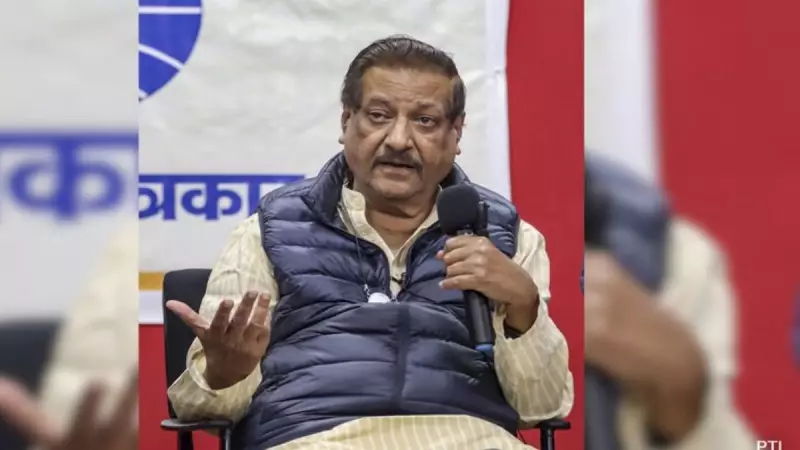
The controversy erupted when Congress leader and former Rajya Sabha MP, BK Hariprasad, made the startling comment during a public interaction. He referenced the alleged attempted kidnapping of Venezuelan President Nicolas Maduro, which US authorities have reportedly investigated in connection with Donald Trump's associates.
Hariprasad posed a rhetorical question, asking whether, given such incidents, one could trust that Trump might not contemplate a similar action against Prime Minister Modi. The remark was made in the context of discussing international relations and perceived threats, but its speculative and extreme nature quickly became the focal point.

The incident, as reported, took place on Saturday, January 6, 2024, adding to the weekend's political discourse. Hariprasad's attempt to link global events to India's domestic politics was immediately seized upon by opponents as irresponsible and fear-mongering.
Political Backlash and Reactions
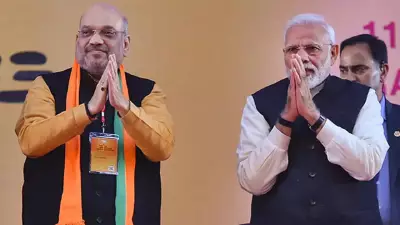
The reaction from the ruling Bharatiya Janata Party (BJP) was swift and severe. BJP leaders and spokespersons launched a scathing attack on the Congress party, accusing it of crossing all limits of decency in political discourse. They condemned the statement as not only absurd but also as a deliberate attempt to undermine the office of the Prime Minister and India's sovereignty.
BJP IT cell chief Amit Malviya and other prominent voices lambasted the comment, highlighting it as an example of the Congress's "frustration and descent into bizarre conspiracy theories." The ruling party demanded an unconditional apology from the Congress leadership for the remark made by Hariprasad.
Meanwhile, the Congress party found itself in a defensive position. While some within the party distanced themselves from the extreme analogy, the official response was muted, leading to further criticism that the party tacitly endorsed such rhetoric. The episode has put the opposition party on the back foot, forcing it to address yet another controversy stemming from a leader's off-the-cuff remarks.
Analysis of the Fallout and Implications
This incident underscores the increasingly heated and hyperbolic nature of political rhetoric in India. The attempt to draw a direct and dramatic comparison between complex international events and India's political scenario is seen by analysts as a risky strategy that often backfires, shifting focus from substantive issues to sensational sound bites.
The controversy also touches upon the perception of India's place in the world. By suggesting the Prime Minister could be vulnerable to a fantastical international kidnapping plot, the remark inadvertently projects an image of weakness, which critics argue is damaging to the nation's global standing. It raises questions about the boundaries of political criticism and the responsibility of senior leaders in maintaining dignified discourse.
Furthermore, the event highlights the internal challenges within the Congress party regarding message discipline. As the principal opposition, its leaders' statements are constantly under scrutiny, and such episodes provide ample ammunition to its political rivals, potentially alienating moderate voters.
In conclusion, while the remark from BK Hariprasad may have been intended as a sharp critique of the government's foreign policy alignments, its delivery has resulted in a significant self-goal. It has diverted political attention, united the BJP in outrage, and sparked a conversation about the erosion of constructive political debate in the country. The fallout serves as a reminder of the potent impact of words in the high-stakes arena of Indian politics.