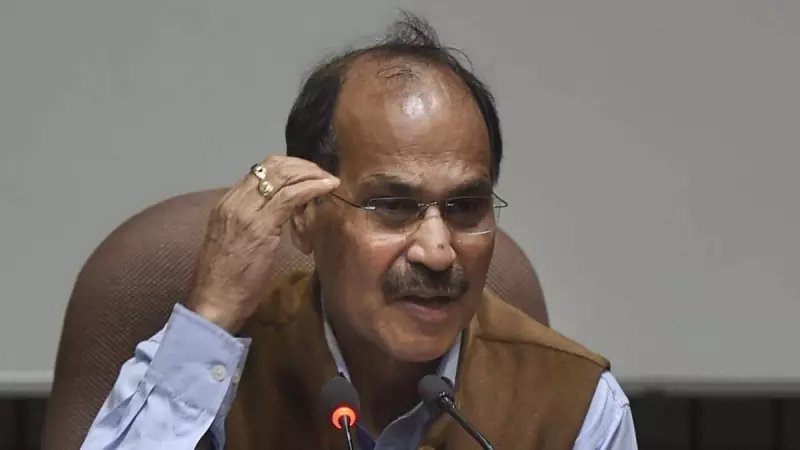
In a significant political development, senior Congress leader and Lok Sabha MP Adhir Ranjan Chowdhury held a crucial meeting with Prime Minister Narendra Modi on Monday. The central agenda of the discussion was the escalating violence targeting migrant workers from West Bengal in other states.
A Plea for Central Intervention
During the meeting, Chowdhury presented a detailed account of the alleged attacks and harassment faced by Bengali migrant laborers, particularly in states like Gujarat and Rajasthan. He emphasized that these citizens, who migrate for livelihood, are facing threats and physical assaults, creating an atmosphere of fear and insecurity.
The Congress leader from West Bengal urged the Prime Minister to direct the concerned state governments and central agencies to take immediate and stringent action. He stressed the constitutional duty of the Union government to protect the rights and safety of all Indian citizens, irrespective of their state of origin.

The Political Context and Timing
The meeting, which took place on December 30, 2024, carries substantial political weight. Adhir Ranjan Chowdhury, known as a vocal critic of both the BJP and the ruling Trinamool Congress in Bengal, chose to approach the Prime Minister directly on this issue of public safety.
This move underscores the severity of the reported violence and the perceived failure of local law enforcement in the affected states. Chowdhury's appeal to the central leadership bypasses the usual political channels, highlighting the urgency of the matter.
Broader Implications and Reactions
The issue of violence against migrant workers is sensitive and has flared up periodically in various parts of India. Incidents where economic migrants are targeted based on regional or linguistic identity pose a serious challenge to national integration and internal security.
By raising this with the PM, Chowdhury has placed the spotlight back on the protection of fundamental rights enshrined in the Constitution, including the right to life, liberty, and the freedom to move and work anywhere in the country. The response from the Prime Minister's office and the subsequent actions, if any, will be closely watched.
Political observers note that this interaction, though centered on a law-and-order issue, is a rare instance of a senior Opposition leader engaging directly with the PM on a specific regional concern affecting citizens. The outcome could set a precedent for handling similar inter-state issues in the future.
The meeting lasted for a considerable duration, indicating a detailed discussion. While the immediate steps remain to be seen, the act of flagging this violence at the highest level has already brought renewed attention to the plight of migrant workers across India.