In a sharp critique of the Narendra Modi government's diplomatic approach, senior Congress leader Jairam Ramesh has lambasted what he terms as "forced hugs" and social media posts hailing former US President Donald Trump, asserting they have achieved "very little good" for India. The attack, delivered on Saturday, February 15, 2025, targets the government's foreign policy narrative and its handling of key international relationships.
The Core of the Congress Critique
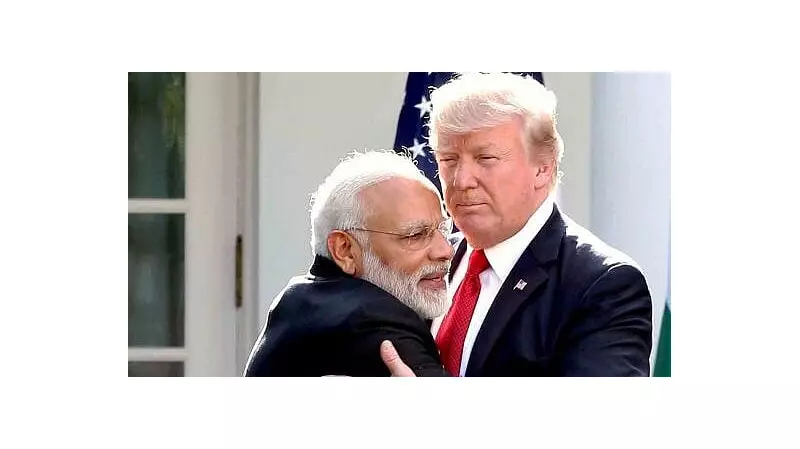
Jairam Ramesh, the Congress general secretary in charge of communications, did not mince words in his assessment. He specifically pointed to Prime Minister Modi's much-publicized personal diplomacy, often characterized by warm embraces with world leaders. Ramesh dismissed these gestures as "forced hugs" that lack substantive diplomatic outcomes. His comments suggest a belief that style has been prioritized over substance in India's foreign engagements under the current administration.
Furthermore, Ramesh took aim at the government's and the ruling Bharatiya Janata Party's (BJP) apparent alignment with Donald Trump during his presidency. He highlighted the flurry of social media activity from official Indian handles and BJP leaders that praised Trump. According to the Congress leader, this overt support has yielded minimal tangible benefits for the nation, implying a strategic misstep in betting heavily on one foreign political figure.

Context and Timing of the Remarks
The criticism comes at a politically sensitive time, as the country navigates complex global dynamics. Ramesh's statement is seen as part of the opposition's broader strategy to challenge the government's record on all fronts, including its foreign policy, which the BJP has often touted as a major success. By focusing on the perceived emptiness of symbolic gestures and the futility of aligning with specific foreign leaders, the Congress seeks to puncture this narrative.
The reference to Donald Trump is particularly pointed. During Trump's term, Prime Minister Modi shared a notably cordial relationship with him, marked by large joint rallies like "Howdy, Modi" in Houston. The BJP's social media machinery was often effusive in its praise for Trump. Ramesh's critique implies that this camaraderie did not translate into significant, lasting advantages for India, especially in areas like trade negotiations or strategic concessions.
Implications and Political Repercussions
This verbal assault from a senior opposition figure is likely to reignite debates on the efficacy of India's diplomatic strategies. It questions whether personal chemistry between leaders is a reliable foundation for state-to-state relations. The Congress, through Ramesh, is pushing the argument that foreign policy should be driven by consistent national interest and institutional strength rather than personalized diplomacy or partisan preferences for foreign politicians.
The government and the BJP are expected to mount a strong defense, likely citing enhanced global stature, strategic partnerships, and diplomatic wins during Modi's tenure. They may argue that building personal rapport is a legitimate and effective tool of modern diplomacy. However, the Congress's framing of these actions as "forced" and of little concrete value sets the stage for a heated political discourse on the nation's global posture.
Ultimately, Ramesh's comments underscore the deepening political fault lines in India, where even foreign policy is becoming a fiercely contested battleground. The electorate's perception of which party can best safeguard and advance India's interests abroad will be influenced by such exchanges as the political climate intensifies.