Haryana Congress President Condemns UGC Draft Regulations 2025 as Threat to Federalism
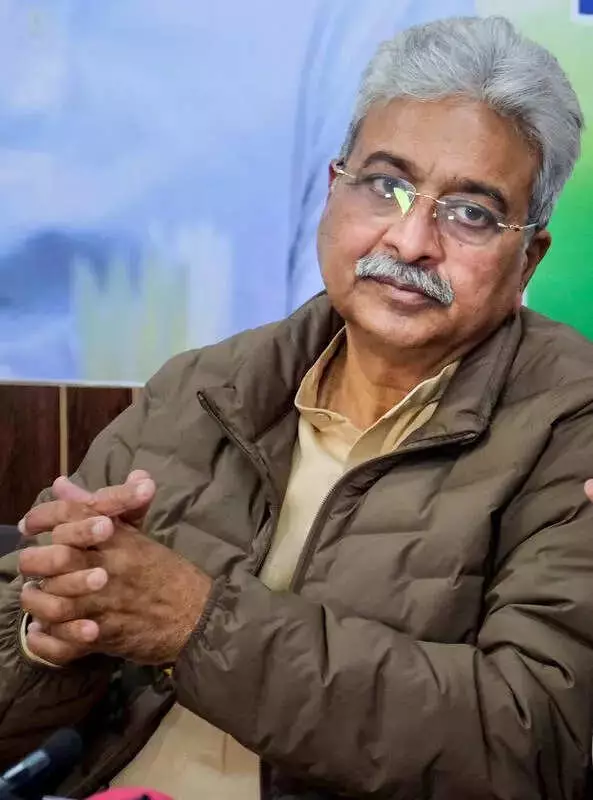
In a significant development from Chandigarh, Haryana Pradesh Congress Committee (HPCC) president Rao Narendra Singh launched a sharp critique on Saturday against the proposed changes in the University Grants Commission (UGC) Draft Regulations 2025. He accused the Central government of systematically undermining India's federal structure and encroaching upon the constitutional rights of states through these regulatory adjustments.
Allegations of Central Overreach in Education Governance
Rao Narendra Singh articulated his concerns by highlighting that although education falls under the Concurrent List of the Constitution, allowing both central and state governments to legislate, the current administration is attempting to establish unilateral and centralised control over universities. He asserted that this move is being orchestrated through the UGC, effectively weakening the traditional role of state governments in higher education.
The Congress leader expressed grave fears that this centralisation could eliminate the academic autonomy that states have historically enjoyed, transforming them into mere spectators rather than active participants in educational governance.

Specific Concerns Regarding Administrative and Academic Interference
Delving into the specifics, Rao Narendra pointed out that the proposed regulations appear to increase central interference in several critical areas of university administration. These include:
- The appointment processes for vice-chancellors, which could become dominated by central preferences.
- Curriculum development, where state-specific educational needs might be overlooked.
- Other important administrative decisions that have traditionally involved state consultation.
He emphasised that this step is not merely an administrative change but represents a fundamental shift against the federal principles enshrined in the Indian Constitution. According to him, such centralisation undermines democratic values and threatens the institutional freedom that is essential for vibrant higher education systems.
Congress's Stance and Demands for Withdrawal
Reiterating the Congress Party's longstanding position, Rao Narendra declared, "The Congress Party has always been against excessive centralisation of education. We are committed to protecting the rights of the states, the autonomy of universities, and the dignity of educational institutions."
He issued a firm demand for the Central government to immediately withdraw these controversial draft UGC regulations. Furthermore, he insisted that any final decision on such matters should only be taken after extensive consultation and consensus-building with all state governments, ensuring that the diverse educational landscapes across India are respected.
Uncompromising Commitment to Stakeholder Interests
Making the party's position unequivocally clear, Rao Narendra stated that Congress would not compromise on the interests of key stakeholders at any cost. This includes:
- Students, whose educational opportunities and quality of learning could be affected by centralised policies.
- Teachers, whose academic freedom and professional roles might be constrained.
- State governments, whose constitutional authority in education must be preserved.
This strong opposition from the Haryana Congress leadership signals potential political and legal challenges ahead for the UGC Draft Regulations 2025, as debates over educational federalism intensify in the coming months.